AI-Powered Supply Chain And Logistics Management
AI-powered supply chain and logistics management has completely changed how businesses handle inventory, sourcing, fulfillment, and delivery. I see companies adopting artificial intelligence at every stage to handle challenges quickly and keep customers happy. In my experience, AI isn’t just for major corporations anymore. Even smaller businesses can benefit from smarter, more automated supply chains. I’ll go over the essentials, show how AI helps solve common headaches, and answer practical questions business owners often ask.
AI in Supply Chain and Logistics
AI has found its way into nearly every corner of the supply chain. It shows up in inventory prediction, automated warehouses, smart delivery routes, and even invoice processing. I’ve noticed that the biggest draw is AI’s knack for turning mountains of supply chain data into real insights. By looking at sales patterns, weather forecasts, and traffic reports, AI helps companies put the right resources in the right place just when they’re needed.
Supply chain management covers all the steps it takes to bring a product from idea to the customer’s doorstep. Logistics is the part that tackles physical movement and storage. AI connects these by helping businesses coordinate what to buy, where to store it, how to move it, and when to do each step. That can mean fewer shortages, less overstock, and faster deliveries. As technology gets easier to use, even small teams can tap into these benefits.
Key Benefits of AI-Powered Supply Chains
I’ve seen firsthand that AI tools bring several big advantages. Supply chains run tighter, and companies fix problems much more quickly. Here are the features I’ve found especially useful:
- Smarter Forecasting: AI analyzes past sales and current trends to forecast demand more accurately, leading to less wasted inventory and better customer satisfaction. By using fresh data, businesses can adjust fast.
- Real-Time Tracking: Sensors and AI dashboards show exactly where goods are, letting teams react quickly to delays or disruptions. This makes it easier to update customers or reroute shipments on the fly.
- Route Optimization: Machine learning finds the best delivery routes based on up-to-the-moment data, saving fuel and time. Companies can plan routes that dodge traffic jams and lower their carbon footprint.
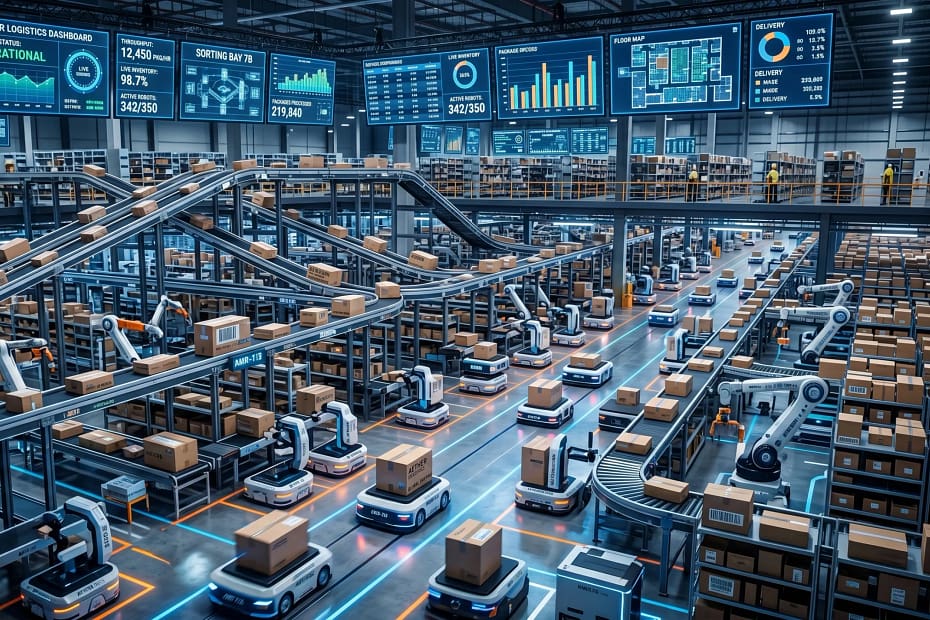
- Automated Warehousing: AI-powered robots manage stock and pick orders, moving inventory faster and reducing mistakes. These systems boost productivity and help teams handle growing order volumes.
- Risk Management: Predictive analytics spot weak points in sourcing or freight early on, helping teams avoid stockouts or missed deliveries. The ability to predict and sidestep possible pitfalls saves both time and money.
When I speak with logistics experts, they agree that these benefits free people up to focus on creative problem-solving, rather than tedious tracking and data entry. Workers report greater job satisfaction as they spend more time on interesting tasks and less on routine paperwork.
Getting Started? Essential Steps for Adopting AI in Logistics
If you’re new to AI in supply chain management, you don’t need a giant budget or a massive tech team. I recommend starting small, focusing on issues that slow you down or cost the most money. Here’s how I approach the process:
- Identify the Pain Points: Think about where delays or mistakes happen most, whether it’s forecasting, warehousing, or delivery.
- Find Easy Wins: Use AI tools designed for smaller businesses, like simple inventory apps with forecasting or route planners. These tools often come with userfriendly interfaces and quick-start guides.
- Integrate Gradually: Start with a single warehouse or delivery route. Once you see improvements, it makes sense to expand from there. This step-by-step method keeps things manageable and helps teams avoid feeling overwhelmed.
- Train Your Team: Spend time helping everyone learn the new AI-driven systems. A little upfront training pays off in smoother operations later. Make sure to provide ongoing support as questions come up.
- Track Results: Measure how much faster, cheaper, or more accurate things run after making the switch. Use these numbers to figure out what to tackle next.
This approach brings quick results and helps teams build confidence with new technology. Along the way, celebrate small wins to show the value of adopting AI tools.
Challenges and How AI Can Help Overcome Them
I often hear about the hurdles that keep companies from running efficient supply chains. AI can address several common ones:
- Demand Fluctuations: Surprises in customer demand can lead to shortages or extra stock. AI continuously updates forecasts using new data, so companies can adjust more quickly. This agility helps businesses prevent both empty shelves and excess stockpiles.
- Supplier Disruptions: Natural disasters, strikes, or political changes can cut off supplies. AI keeps eyes on news and trends that might signal a problem, letting people switch sources early.
- Complex Shipping Networks: Moving goods across different cities or countries often leads to lost time or miscommunications. AI tools plan smoother routes and spot errors as soon as they happen. Logistics teams can minimize costly mistakes and speed up corrections.
- Labor Shortages: With fewer workers, AI-driven robots and scheduling software keep warehouses running without burning out the staff that’s left.
Focus on Demand Fluctuations
Fast-changing sales cycles challenge even experienced planners. I’ve seen companies cut waste and prevent disappointed customers by using AI to make new predictions every day instead of just once a quarter. For instance, one retailer adjusted buying plans in real time based on trending products spotted by AI, and that decision paid off with fewer overstocked items after the peak season.
Supplier Disruptions
AI monitors everything from shipping delays to political events. One logistics manager told me that their AI flagged weather issues threatening a supplier in another country. By switching orders earlier, they avoided what could have been a weeklong delay in getting products to the warehouse. These quick reactions create a major competitive edge.
Automating the Tedious Tasks
Inventory counting and shipment tracking used to eat up time every day. AI robots and smart scanners now update stock levels automatically. This gives warehouse workers more time for quality checks or handling special orders. Mistakes happen less often in places where I’ve seen this change take place. Efficiency improves and workers enjoy more interesting responsibilities.
Advanced AI Applications That Create Real Impact
Newer, more advanced uses of AI are opening up even more possibilities in logistics and supply chain management. I’ve worked with companies that use these applications to add measurable value:
Autonomous Vehicles and Drones: Driverless forklifts and delivery drones speed up warehouse operations and last mile delivery. They can run around the clock, keeping costs down and getting orders out faster. This helps companies offer quick delivery options that customers love.
Predictive Maintenance: AI checks equipment for warning signs before breakdowns happen. By fixing the problem early, businesses avoid expensive downtime. This approach also extends the life of machines, cutting capital expenses.
Smart Contracts: AI can help automate contract management with suppliers and partners, cutting down on paperwork and keeping approval processes moving quickly. The savings in admin time let staff focus on strengthening business relationships or finding new suppliers.
These innovations are still pretty new in many regions, but they’re already helping forward-thinking companies become more flexible and responsive. As costs for these advanced tools fall, expect to see them spread quickly among businesses of all sizes.
Real-World Examples and Case Studies
Here are a few stories I’ve seen or heard about from colleagues that show how AI makes a noticeable difference:
- Grocery Retailer: A supermarket chain struggled with fresh food waste. By adding AI-powered demand forecasting, they reduced spoilage and saved thousands of dollars each month. This approach helped them offer fresher food and happier customers.
- Ecommerce Warehouse: After using AI robots for picking and sorting, picking errors dropped, shipping went out faster, and existing staff could focus on higher level tasks. Employee morale improved as people enjoyed less repetitive work.
- Global Manufacturer: Using AI, one company uncovered hidden patterns in delivery delays. Fixing a few snags in their international shipping reduced costs and improved on time delivery percentages. Customers noticed the boost in reliability too.
These case studies prove that even modest investments in AI can lead to significant improvements. Businesses see savings on waste, lower staffing costs, higher customer satisfaction, and greater flexibility.
What to Keep in Mind Before Investing in AI
It’s tempting to jump into every new technology, but I always recommend considering these things before getting started:
- Data Quality: AI depends on good data. Before launching an AI project, check that inventory lists, sales numbers, and supplier info are up to date and accurate. Fixing any gaps early is key for strong AI results.
- Integration with Current Systems: Look for AI tools that connect directly to your current systems, so you don’t have to replace everything at once. Seamless connections speed up the process and reduce frustration for your team.
- Cost vs. Benefit: Some AI-driven solutions look impressive but might not deliver enough return to justify the investment. Test tools on a small scale before expanding. Run pilots and measure results to guide your investments.
- Change Management: People sometimes worry about new tech replacing their jobs. Including your team early and offering training makes adoption go much smoother. Set clear expectations and support people through the transition to build trust.

Frequently Asked Questions
Question: Do I need a tech background to use AI logistics tools?
Answer: Many of the most popular AI supply chain apps are built for everyday users, not tech pros. A bit of onboarding and willingness to learn are the main things you need to start. Most software providers also offer support if you get stuck.
Question: How soon can I expect to see results after adopting AI?
Answer: Small changes, like better route planning, often show results in a matter of weeks. Larger overhauls take longer, but most companies notice smoother operations and better accuracy within a few months. You’ll see continuous improvement as your team grows familiar with the new systems.
Question: What if my data isn’t perfect?
Answer: It’s common to start with less-than-perfect data. As you use AI, the system can help point out missing or inconsistent info so you can improve gradually over time. It’s better to start and improve, rather than wait for ideal conditions. Take small steps and keep learning along the way.
Getting the Most from AI in Your Supply Chain?
I’ve watched businesses grow much more competitive by making their supply chains smarter and more responsive with AI. It’s not about replacing people, but rather, giving teams the best information and tools so they can focus on creative problem-solving, customer service, or strategic planning. When AI is used right, it makes for faster, leaner, and more reliable supply chains that can weather just about any storm. Embrace change and keep exploring new tools, and your business will stay ahead of the curve.
Free Energy Explorer
Explores actual free energy inventions and discoveries.

Thank you for questions, shares and comments!
Share your thoughts or questions in the comments below!