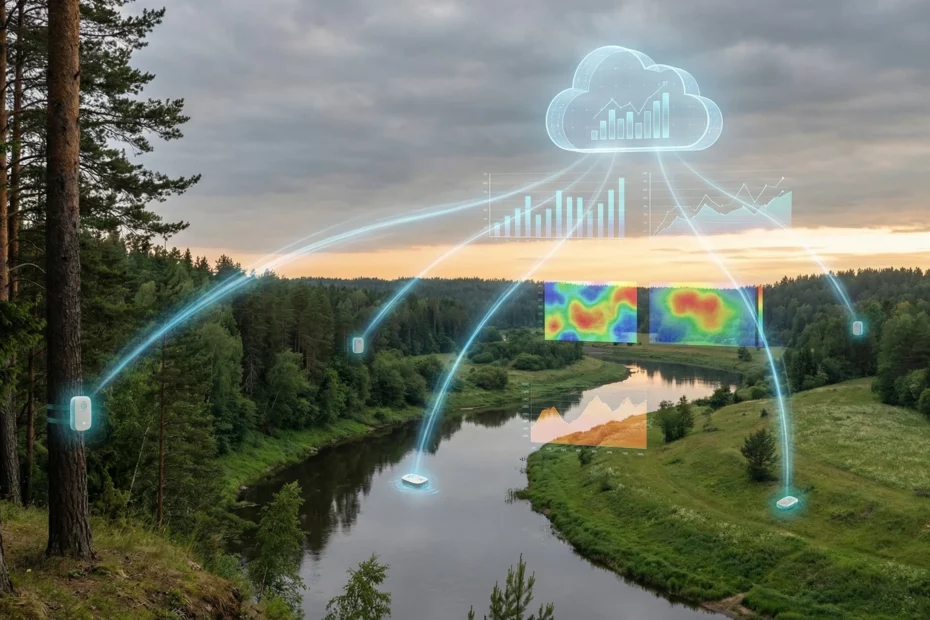
AI-driven Environmental Monitoring Systems
AI-driven environmental monitoring systems have emerged as a crucial tool for keeping tabs on the state of our natural world. With mounting pressures from climate change, widespread pollution, and rapid urban development, paying attention to environmental data has turned into a priority. Here, I’m offering an all-in-one look at how these AI-powered systems operate, what makes them valuable, and some practical insights if you’re exploring this technology for personal, professional, or educational pursuits
How AI Powers Environmental Monitoring Systems
AI-powered monitoring systems blend sensors, wireless networks, and smart algorithms to gather and process loads of environmental data. These setups handle a range of tasks: from monitoring air quality and water pollution to tracking wildlife and checking on forest health. I’ve witnessed firsthand how they’ve transformed environmental science, replacing slow manual checks with speedy alerts and future-focused predictions.
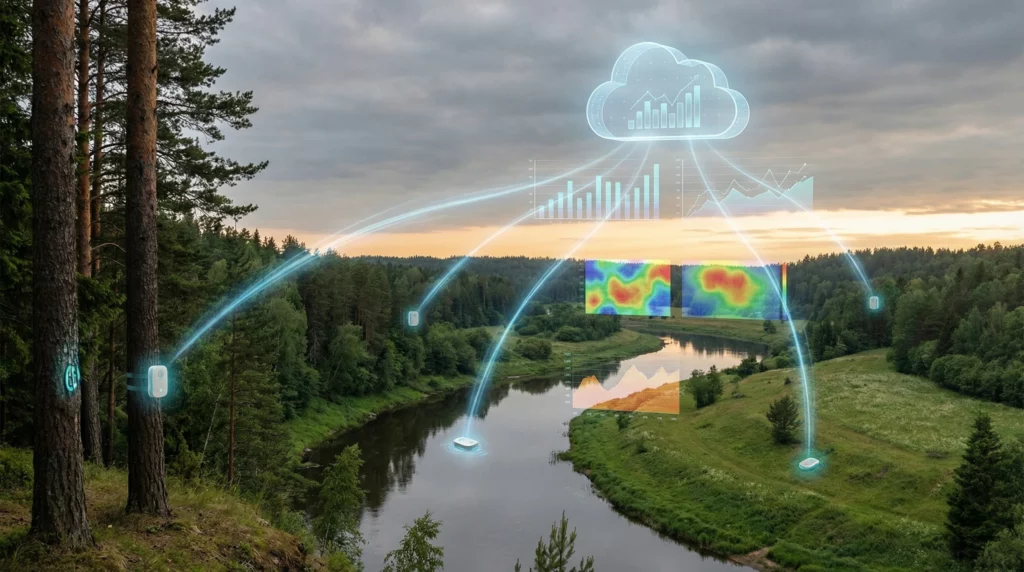
The basic idea is straightforward. Remote sensors and cameras gather raw data from the environment. Next, machine learning algorithms spot patterns or detect changes automatically, sometimes picking up problems before humans can. For example, a river sensor might catch spikes in pollutants and use AI to send an alert to local officials, letting them act quickly.
The AI-driven monitoring field has grown fast, thanks to upgraded sensors, better connectivity, and advances in cloud computing. In the past, environmental researchers relied heavily on scheduled trips for sample collection or scattered measurements. Now, networks of devices pump out real-time data, providing a much clearer view of changing environmental conditions and trends.
What Makes AI-Driven Environmental Monitoring Useful?
There are plenty of features making AI-driven monitoring worth considering, especially for anyone who manages environmental projects or simply wants to stay informed about their local surroundings.
- Real-Time Information: Get up-to-the-minute data and instant alerts about changes, whether it’s a pollution spike or news of an invasive species.
- Automatic Pattern Recognition: AI can spot problems in massive, messy data sets quickly. Human eyes might miss something, but smart algorithms catch it.
- Scalability: Because AI handles huge data streams, it’s easy to monitor big wetlands, coastlines, or even entire cities simultaneously.
- Prediction and Forecasting: Machine learning models review past data to predict future events, such as harmful algal blooms or wildfire risks, supporting early preparation efforts.
- Remote Data Access: From my own experience, being able to access data from hard-to-reach spots is a major win. Remote data helps people act without setting foot onsite.
With these strengths, AI-powered monitoring is now common among government agencies, researchers, NGOs, and businesses wanting to reduce their environmental footprint.
A Quick Guide to How AI Environmental Monitoring Systems Work
Setting up or using an AI monitoring system doesn’t have to feel impossible. Here’s a simple breakdown of how these systems usually function:
- Data Collection: Sensors and cameras record climate information, air particles, water chemistry, sound patterns, or animal movement.
- Data Transmission: Data is sent through networks like WiFi, satellite, or mobile services to the cloud or a local computer.
- Data Processing: AI models clean up the information and check for patterns or unusual changes that might need quick attention.
- Alerts and Reporting: If something unusual pops up, like a sudden drop in water oxygen, alerts are sent by email, mobile app, or dashboard notification.
- Analysis and Response: Users review the processed data, make decisions, adapt policies, or send teams to double-check the findings in person.
With automation and AI on the job, manual sifting of measurements is reduced dramatically, making monitoring streamlined. Both large organizations and small community groups can now keep tabs on key natural areas easily and effectively.
What to Consider Before Using AI Environmental Monitoring
Although AI-powered systems offer impressive benefits, there are several points to think through before setting up one of these systems or depending on them for sensitive tasks.
- Sensor Accuracy: Sensors need scheduled calibration and maintenance. Using low-quality equipment might lead to errors, so always double-check specifications and real-world performance.
- Connectivity Issues: Solid network connections are vital for real-time updates. In far-flung areas, you may need extra gear or satellite links to stay connected.
- Data Security and Privacy: These systems gather a lot of information, sometimes including sensitive location or property data. Protecting this data with encryption and secure services is essential.
- Initial Cost: High up-front costs can be a hurdle for hardware and software, but over time, savings come from reduced manual effort and better insights.
- Interpretation: While AI models are powerful, they’re not perfect. Human supervision is still necessary to make sure automated reports apply well in real situations.
Sensor Selection and Maintenance
Picking suitable sensors depends on your monitoring goals. For example, tracking air quality requires equipment tuned to airborne particles and gases, while keeping tabs on stream health uses sensors for water temperature and chemical content. I often recommend making a schedule for cleaning and calibrating sensors, particularly in dusty or wildlife-rich spots.
Manage Large Data Streams
Scaling up to hundreds or thousands of sensors can quickly overwhelm your storage and processing setup. Using cloud storage and scheduling regular backups is vital. Make sure your platform can grow alongside your data needs over time.
Keep AI Models Sharp
For accuracy, machine learning models need fresh data regularly. I prefer retraining or updating analysis models every few months, especially after major environmental swings or when adding new sensor types to the mix.
Advanced Options and Tips for Your AI Monitoring Setup
After figuring out the basics, there are extra ways to make the most of your AI monitoring system:
Custom Alerts: Tailor notifications so you only get details on what truly matters to prevent alert fatigue.
Data Visualization: Graphs, maps, and timelines can clarify trends and highlight trouble spots fast. Many platforms let you compare numbers between sites or over time on easy-to-read dashboards.
Integration with Other Tools: Link your AI system with GIS maps, disaster planning programs, or even smart agriculture tools. This helps with better, faster decision-making.
Community Participation: Sharing select data live or through summary reports with local communities or groups can boost support for conservation and motivate policy changes. I’ve seen impressive results when the public can access real-time environmental statistics.
Popular Uses for AI Environmental Monitoring
Here are some practical areas where AI-powered monitoring systems truly shine and make a major difference:
- Air Quality Checks: Spotting pollution spikes in big cities or monitoring wildfire smoke across huge distances.
- Waterways and River Health: Keeping a constant watch on pollutants, temperature swings, or upstream chemical spills.
- Biodiversity Observation: Using cameras, audio sensors, or drones for non-intrusive wildlife tracking.
- Forest and Crop Health: Spotting early warning signs of disease, pest outbreaks, or drought problems by blending sensor and satellite information with AI analysis.
- Industry and Urban Checks: Helping cities and companies meet green goals by early detection of leaks, emissions, or key environmental risks.
With my hands-on experience, I love being able to track ecosystem health from any location and set up proactive action plans rather than reacting when damage is already done.
Frequently Asked Questions
People often ask these questions when thinking about AI for environmental monitoring. Here are some of the most common:
Question: How accurate are AI-driven environmental monitoring systems?
Answer: With routinely maintained sensors and up-to-date data models, most systems offer strong accuracy. Always review technical specifications and do field validation periodically where possible.
Question: Can these systems operate in spots with weak WiFi or patchy cell service?
Answer: Absolutely. Many modern setups use satellite connections or mesh radio networks for far-flung locations. Offline data logging works too, with uploads when you’re back online.
Question: Do I need high-level tech skills to operate one of these?
Answer: Many platforms are built to be userfriendly, but it’s helpful to know basic computer skills for setup and troubleshooting. For very large or custom builds, teaming up with a data specialist or IT pro can help.
Key Insights for Anyone Thinking About AI Environmental Monitoring
AI-powered environmental monitoring systems bring genuine advantages, making it easier to spot trouble before it gets out of hand and providing decision-makers with up-to-date tools. Choosing the best hardware, planning for scaling data needs, and mixing human judgment with AI are the ingredients I’ve found lead to a solid monitoring project.
Being ready to experiment with new technology and features is crucial, as things keep moving fast. Whether you’re managing air quality, keeping track of river health, or handling large agricultural lands, these AI systems can make the process smoother, faster, and more precise. The bottom line: adopting AI in environmental monitoring opens up smarter, more responsive ways to protect our planet.
Thank you for questions, shares and comments!
Share your thoughts or questions in the comments below!
Text with help of OpenAI’s GPT language models
openai chatbox & fleeky