
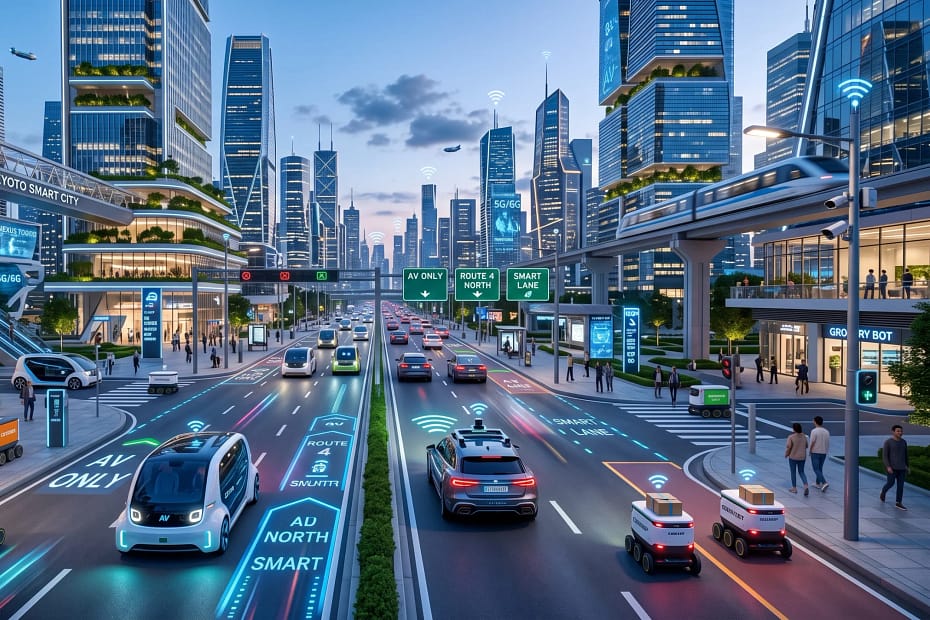
AI In Autonomous Transportation Solutions
AI in autonomous transportation is switching up the way people and goods move, making travel more convenient and accessible. From driverless cars and buses to smart delivery robots, artificial intelligence is shaping a future where many transportation tasks require less human input. I’ve spent time digging into how this technology works, its practical benefits, and the most important considerations for those interested in the field. Here, I’ll share the foundations of AI-powered transport and show how these solutions are being used right now, along with practical pointers for anyone new to the concept.
Core Concepts of AI in Autonomous Transportation
AI plays a central role in getting selfdriving vehicles to operate safely and efficiently. My experience shows that it’s not just about removing the driver. It’s about creating smarter, more responsive vehicles that interact with their environment in real time. Sensor data, complex algorithms, and on-the-fly decision making come together so cars, trucks, and drones can spot obstacles, interpret traffic signals, and avoid hazards with precision.
For folks new to this area, understanding the main components gives a helpful foundation:
- Sensors and Perception: Cameras, radar, LiDAR, and ultrasonic sensors feed data into onboard computers. These sensors scan the environment, tracking vehicles, pedestrians, and road markings in real time.
- DecisionMaking Algorithms: Advanced software uses the sensor data to game plan routes, make lane changes, and apply brakes or acceleration when needed. The AI system analyzes thousands of scenarios instantly to pick the safest option.
- Connectivity: Many vehicles use 5G or dedicated radio links to communicate with traffic lights, parking systems, and other vehicles, supporting safer and smoother rides.
- Localization and Mapping: Real time GPS and highresolution maps help the AI understand its surroundings and position within centimeters, allowing precise navigation.
Get Started with Autonomous Transportation Solutions
When I began checking out AI transportation, I was surprised at how many levels of automation exist. Some vehicles offer simple driver assist features, while others work fully independently. Understanding these levels helped me figure out what each kind of system can and can’t do.
The Society of Automotive Engineers (SAE) sets out six levels of driving automation, from Level 0 (no automation) to Level 5 (fully autonomous, no driver involved). Most real-world uses today are at Level 2 or 3, where the vehicle can handle steering, acceleration, and braking on its own, but still needs a human for some decisions. Examples include Tesla Autopilot and GM Super Cruise.
Here are some milestones you’ll typically see on the road to adopting autonomous transportation:
- Level 1–2: Driver Assistance: Features like adaptive cruise control and lane keeping that back the driver but don’t replace them.
- Level 3–4: Partial to High Automation: The vehicle can work on its own in certain spots, like highways or specific city routes, but a human must still be there and alert in most cases.
- Level 5: Full Automation: This is the goal many companies are pushing for. Vehicles handling all parts of driving in all conditions, with no need for a steering wheel or pedals.
Step-by-Step Guide to Move Forward with AI Transportation
Adopting AI-powered transport is an adventure that takes careful planning. My own experience shows that success comes from knowing your requirements and keeping up with the latest tools and regulations. Here are the main steps for beginners:
- Understand Your Needs: If you’re looking for safer commutes, less travel stress, or smoother logistics, write down your priorities to narrow your search.
- Research Current Solutions: Learn about the types of autonomous vehicles out there and the situations they’re meant for, such as city travel, highway cruising, or lastmile deliveries.
- Check Safety Records: Track down available data on reliability, accident rates, and safety features for models you’re considering. Organizations like NHTSA and Euro NCAP post independent reports.
- Stay Updated on Laws: Rules change fast as the tech grows. Sites like the U.S. Department of Transportation and the European Commission post up-to-date legal guidelines for driverless vehicles in each region.
- Consider Infrastructure Needs: Some systems need updated road markings, smart traffic signs, or highspeed wireless connections. Find out what’s available in your area.
Important Things to Consider Before Jumping In
AI-powered transportation isn’t always seamless, and there are a few challenges I’ve run into while learning about the field. Planning ahead can make a big difference, so here are the main issues and ways to handle them.
- Data Privacy and Security: AI systems collect loads of personal and location data. Make sure you know how your info is used, and pick systems that keep things secure.
- Reliability in Tough Conditions: Bad weather, sketchy roads, and surprise obstacles can tangle up AI perception. Check how manufacturers test for rainy, snowy, or lowlight setups.
- Regulation and Ethics: Different places set different rules for licensing, insurance, and accident liability. Reading up before committing can sidestep headaches.
- Public Acceptance and Trust: Some people are unsure about riding in cars without drivers. Sharing info, demos, and actual rides can help boost confidence.
Data Privacy and Security
Transportation AI runs on data—from route history to live camera feeds. I always look for clear and transparent privacy policies. Some providers let you opt out of data collection or anonymize your travel history. Public agencies like the Electronic Frontier Foundation offer guides about digital transport privacy.
Reliability in Tough Conditions
AI transportation systems work best in environments that match their training data. Sudden weather, construction spots, and unpredictable drivers can still shake things up. I suggest following developer blogs and checking reviews for realworld insight. The best systems update their training sets and patch software for local quirks.
Regulation and Ethics
This field changes quickly, so laws can get confusing. Cities and countries often update standards, so it pays to check regularly. Manufacturer websites often spell out licensing, insurance, and roadworthiness rules. Legal info sites like Nolo and FindLaw give specific updates on autonomous vehicle laws.
Building Trust in AI Transport
Success stories help, but firsthand rides really make a difference. Many towns offer supervised driverless shuttle or delivery bot programs. Community days and tech expos let you get a feel for AI-powered transport in a low-pressure way before making it part of your daily life.
Challenges in adopting AI-powered transport are real, but preparation and an open mind go a long way. Staying informed and getting some hands-on experience always increases my comfort and understanding with this new tech.
Advanced Tips and Insights for Power Users
Once you’re ready to take things up a notch from the basics, using some advanced tricks can help you get the most from AI in transportation. Here are insights gathered by watching longtime users and trying out different systems myself:
Customize Your Preferences: Many vehicles let you tune sensitivity, driving style, and safety margins for your own comfort. Adjust these after test drives for the best feel.
Why This Helps: Matching the AI’s moves to your own style leads to smoother and more relaxed rides.
Use Integrated Ecosystems: Some transport setups are even better with smart home gear or your phone.
Why This Helps: Syncing schedules or sending destinations from your device to your car or shuttle saves time and opens up side features like automatic garage or gate openers.
Get into Real-Time Updates: Vehicle apps often send out live traffic and hazard alerts. I make it standard practice to check for software updates and flip on notifications, since even a small patch can bring next-level cool improvements.
Using these advanced tools and tailored settings gives you more say over your trips. It can also help you trust the technology more with each ride.
Applications and Real-World Use Cases
Seeing AI transportation at work in real life puts its value front and center. I’ve watched autonomous shuttles in city centers, selfdriving freight in industrial zones, and AIpowered delivery bots crossing college campuses. Here are some usual ways you might spot this tech:
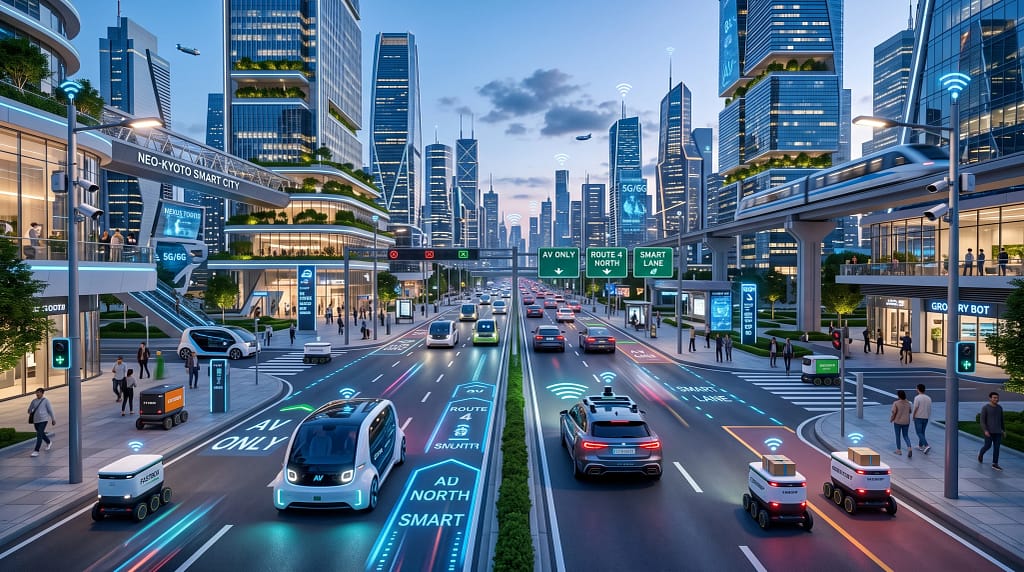
- Urban Mobility: Shared autonomous shuttles and robotaxis provide efficient transport in cities, cutting down the need for personal cars or waiting for public transit.
- Freight and Logistics: Selfdriving trucks and warehouse robots set companies up for smoother operations and lower costs when moving goods.
- Public Services: Driverless buses boost access for seniors and folks with mobility challenges—especially where regular public transit falls short.
Plus, local pilot and test programs open doors for community feedback. Companies like Waymo and Cruise run trials where your comments and experiences can help shape what’s next in AI transport.
Frequently Asked Questions
Newcomers to AI transportation often share some of the same questions. Here are answers to a few, based on my own checking and research:
Question: Are autonomous vehicles really safe?
Answer: AI-powered vehicles undergo tons of realworld testing before public use. They tend to have more safety checks than human-driven vehicles. Still, it’s crucial to know their limits and stay alert for recalls or warnings.
Question: How much does an autonomous vehicle cost?
Answer: Costs can swing quite a bit. Some personal cars with partial automation are priced like regular cars, while full setups for fleets can cost much more. Maintenance and software support continue as regular charges.
Question: Can AI vehicles handle every driving condition?
Answer: Not at this point. Most work best in well-marked, well-maintained areas. Heavy rain, snow, and construction zones still stump a lot of systems, so human oversight can be important.
Looking Ahead?
AI in autonomous transportation is helping society rethink how we handle commuting, logistics, and mobility on demand. By learning what these systems can do, watching out for their limitations, and staying open to new features, users can make the most of this next-level cool tech and stay ready for what’s coming on the road ahead.
Website hosted by WA,
Human touch by Samburu & Fleeky
powered with AI tools
like niche, images, content & keyword search.
Thank you for questions, shares and comments!
Share your thoughts or questions in the comments below!


