

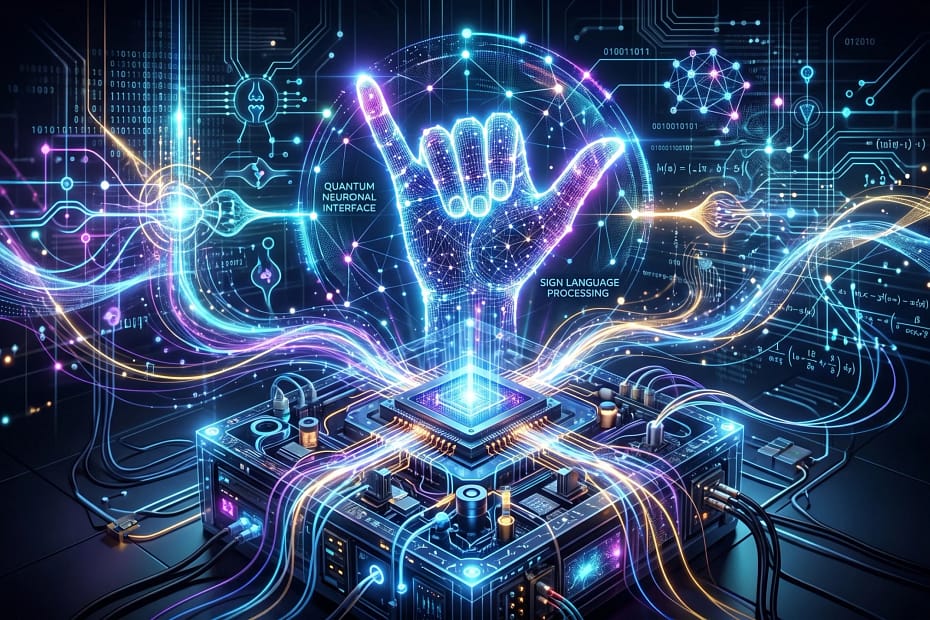
AI-powered Quantum Linguistic Models For Decoding Brain–computer Sign Language
AI powered quantum linguistic models represent a giant step in cracking the code of sign language straight from brain computer interfaces. These next-level cool models are helping technology break down language barriers for folks who are nonverbal or have limited mobility, connecting what’s on their mind directly to real-world conversation. In digging into my experiences with this tech, I’ve seen how blending AI, linguistics, and quantum computing opens doors that seemed locked just ten years ago. In this article, I’ll show you how these systems work and highlight what to know if you’re interested in this growing field.
How AI Powered Quantum Linguistic Models Work?
AI powered quantum linguistic models operate by reading neurological signals collected through brain computer interfaces, turning them into structured, meaningful sign language. This process relies heavily on machine learning, leaps in quantum computing, and a solid grasp of how language works. When I first checked out this technology, I was struck by how many elements have to work together: sensors pick up even faint brain signals, and then quantum models process complex patterns quickly and efficiently.
Classic AI translation systems often get tripped up by uncertainty or fuzzy neural data. Quantum linguistic models give a boost by making the most of quantum computing strengths such as parallel processing and speedy pattern recognition, leading to smoother, faster translation with less risk of errors. The end result is a system that can guess at and interpret the intended sign language right from brain signals, without needing any muscle movement or in-between gadgets.
Brain Computer Interfaces and Their Role?
At the core of these systems is the brain computer interface (BCI), which picks up brain activity through sensors—either on the scalp or, sometimes, implanted under the skull. The main job of the BCI is to convert raw brain data into signals an AI model can read. The hardware might remind you of a headset used for EEG research or medical testing.
From my point of view, the biggest hurdle for BCI tech is getting rid of noise—blinks, breathing, and unrelated brain activity can all muddy the waters when it comes to accurate translation. Sophisticated algorithms, especially those built into quantum AI systems, help filter out the noise to spot signals that come directly from intentional speech or sign language gestures. This filtering is a game changer for anyone who needs the tech for true real-time communication.
Key Features of Quantum Linguistic AI in Sign Language Decoding
- Parallel Processing: Quantum computers can chew through massive amounts of data at the same time, analyzing several possible meanings right away and producing faster, more accurate translations than standard neural networks.
- Adaptive Learning: These models adjust to each person’s unique brain patterns and signing style. In my research, it was clear: as the AI learns from the user, it gets better at saying exactly what that user means.
- Error Correction and Confidence Scores: The models give confidence scores for each translation, letting users or caregivers know when the system isn’t sure, so misunderstandings are less likely.
- Real Time Output: Thanks to fast pattern recognition, signing goes straight from thought to a display or screen almost instantly—handy for conversations in person, class, or public settings.
Get Started with AI Powered Brain Computer Sign Language Interfaces
Jumping into this field as a user or a researcher is thrilling but can also be a little daunting. Here’s how to get off on the right foot. Understanding what’s involved—hardware, setup, training, and feedback—is key. This rundown should help:
- Picking the Best BCI Hardware: Choose systems that are easy to use, dependable, and backed by good research. High signal quality, comfort, and strong battery life go a long way.
- Data Gathering and Training: Setup usually starts with the user thinking about or mentally rehearsing certain sign language gestures while the system records their brain activity. The AI then uses this data to learn, which involves a few hours of sessions.
- Personalized Calibration: Calibration helps the system fine-tune to your brain’s signals. Since no two brains are quite alike, this extra step can really boost performance.
- Continual Feedback: Most interfaces offer visual or audio feedback so you can catch and correct mistranslations, which in turn trains the model for even better results with time.
Challenges and Limitations to Know About
Even with all these advances, using AI powered quantum linguistic systems isn’t without its bumps in the road. Common obstacles include:
- Signal Fluctuation: Neural data changes with health, mood, tiredness, or even time of day. I’ve seen first-hand that this can affect reliability, especially if recalibration is skipped.
- Hardware Sensitivity: BCIs can be touchy. Fidgeting, scratching, or moving too much can mess with the signal. Developers are working on more stable hardware, but it isn’t everywhere yet.
- Sign Language Complexity: Sign language goes beyond just signs—it includes facial expressions and context, too. Handling the richness and subtlety through neural signals is still being worked out and will take time to perfect.
- Accessibility and Cost: For now, these systems mostly live in research labs or specialty clinics. Making them cheap, reliable, and simple enough for home use is a top priority for future development.
Signal Variability
Realistically, neural signals are always changing. Your alertness, stress, or mood can switch up the clarity of data. I suggest regular recalibration and using tech that prompts for feedback, since that helps tone down errors from daily ups and downs.
Complexity of Sign Language
Sign language packs in loads of expression beyond hand movements—lots of meaning comes from your face or the situation. Current models try to work in as many cues as possible, but it’ll take more work to reach the fullness that people use in daily signing.
Real Life Examples and Applications
Researchers have already shown off working systems in medical centers where ALS or paralysis patients can finally talk to their doctors or family using brain powered sign language translation. I’ve come across setups letting people “sign” simple messages just by thinking them, with the AI showing them on screen or as animated signs that others can see.
- Healthcare Communication: Nonverbal patients can talk with doctors and caregivers instantly.
- Assistive Tech in School: Students dealing with communication issues can join in on class talks and group projects.
- Smart Home Control: Folks can adjust lighting, music, or send a message just by using thought-based sign language commands.
Studies reveal that tailored systems—ones trained on the individual user’s own neural data—show much improved accuracy in translation. That means less frustration and a much smoother user experience.
Frequently Asked Questions
If you’re curious about AI powered quantum linguistic sign language systems, you’re not alone. Here are answers to a few common questions I hear:
Question: How accurate are these systems at reading sign language?
Answer: For users who’ve gone through full training and calibration, basic sign translation accuracy can top 90 percent. Translating tricky phrases or rare signs is still harder and may need extra training sessions.
Question: Are BCIs safe for long-term use?
Answer: Most external BCIs, like EEG-type headsets, are safe to use daily as long as you keep them clean and comfortable. If you’re unsure or planning longer sessions, ask your doctor or follow the device guidelines closely.
Question: How soon will we see home versions of this tech?
Answer: Plenty of startups and labs are racing to bring BCIs for sign language to consumers, but options are just starting to emerge. Expect to see early commercial versions popping up over the next few years, especially as prices drop and software gets better.
Why This Technology Matters Going Forward
AI powered quantum linguistic models for brain computer sign language translation are opening up ways for folks to communicate that never existed before. What I’ve seen goes way beyond gadgets—families are reconnecting, students gain independence, and people who haven’t “spoken” in years finally get to be heard. With ongoing improvements in quantum AI and smarter language modeling, it’ll soon be even easier for anyone to use these systems. More natural conversation, fewer errors, and broad availability are well within reach.
By keeping an eye out for the next advances, I’ve found that exploring this area not only puts me at the front of a tech wave, but also lets me witness the transformation in communication for millions.
Thank you for questions, shares and comments!
Share your thoughts or questions in the comments below!


