AI In Fleet Management Enhances Efficiency And Safety
AI is making some pretty big changes in fleet management these days. If you’re handling logistics, want to keep a fleet running smoothly, or are just curious about how technology can help, knowing how AI fits in is really important. This article is here to show you how AI streamlines operations and boosts safety in fleet management, using real-world examples, simple explanations, and helpful tips for anyone interested in getting started.
Why AI Has Become Central in Fleet Management
Managing a fleet of vehicles always meant lots of time-consuming work: scheduling, maintenance, keeping an eye on driver safety, and chasing down unexpected costs. Technology, especially AI, is starting to change that. The global fleet management market is on track to surpass $55 billion by 2027, showing just how much companies are investing in smarter tools (source: MarketsandMarkets).
AI started out helping with simple route planning and basic alerts for overdue maintenance. Now, it goes much further by predicting breakdowns before they happen, analyzing driver behavior, and even making quick decisions during day-to-day operations. When I first checked out these tools, seeing how much they could reduce fuel use, increase uptime, and support drivers was a huge eye-opener.
What Does AI in Fleet Management Actually Do?
AI is a broad term, but when it comes to fleet management, it’s all about using data to automate tasks and help you make better choices. These tools gather information from GPS trackers, onboard diagnostics, dashcams, and other sensors. The AI system then crunches those numbers to deliver insights you can use every day. Here are a few main terms you’ll run into often that help make sense of it all:
- Predictive Maintenance: Using data to spot early signs of issues, so vehicles get serviced before problems cause major downtime.
- Route Optimization: AI quickly maps out the most efficient path, saving time and cutting unnecessary fuel burn.
- Driver Behavior Analysis: Monitors things like speeding, harsh braking, or distracted driving, and sends suggestions to both drivers and managers for safer habits.
- Fuel Management: Tracks trends in fuel use and highlights where savings can be made, helping cut costs in the long-run.
Get Your Fleet Ready for AI with these Basic Steps and Suggestions
If you’re curious about adding AI to your fleet, the process starts with spotting where things can really use a boost. Here are steps I’ve found help a lot in the early stages:
- Assess Current Operations: Spot the areas (like routing or maintenance) that slow you down or cost extra money. Sometimes even small inefficiencies, when added together, can drain your budget fast.
- Collect the Right Data: Make sure vehicles have GPS, modern telematics, and (if possible) dashcams, so you can feed good info into your future AI solutions. Remember, quality data leads to better results.
- Choose Reliable Software: Pick tools that work with the hardware you already use, and look out for options with strong customer support and easy set-up guides.
- Test and Review: Start with a small group of vehicles, check the results, and adjust your approach before scaling up throughout your whole fleet. This step helps catch issues early.
- Train Drivers and Staff: Talk through the benefits, answer questions openly, and get everyone involved from the very start. This builds trust and smooths the way for new tech adoption.
Following these steps can ease concerns and set the foundation for successful technology upgrades. I’ve seen fleets start with just a handful of vehicles, then gradually grow their use of AI as people see the value firsthand.
Common Challenges and How to Tackle Them
Whenever new technology enters the scene, there can be obstacles. AI in fleet management is no different. Here’s what I’ve learned about handling some of the most common hurdles:
- Data Overload: All the extra info from sensors and reports can feel overwhelming at first. Focus on a couple of high-impact areas (like maintenance or route efficiency), and then grow from there.
- Upfront Costs: Upgrading hardware and getting new software can be expensive. These days, many providers offer flexible payment plans so you don’t have to pay everything up front.
- Staff Concerns: Some drivers may get nervous about being monitored. In my experience, honesty goes a long way—be open about how AI is used and show the safety perks to build support.
- Integration Issues: Older vehicles or outdated systems might not connect easily. Work closely with your provider to ensure support is available, and be clear about what might need replacing down the road.
Data Overload
When my team first switched to AI tools, the sheer amount of data was tough to keep up with. Fuel trends, engine metrics, incident reports all came in fast. We simplified our dashboards—just focusing on vital info—to actually put those insights to work.
Upfront Costs
Investing in new technology can seem intimidating, especially for smaller fleets. I’ve found that starting with a pilot project on a few vehicles helps limit risk. Once savings start piling up, growing the program doesn’t seem nearly as daunting.
Staff Concerns
Some drivers got nervous about new monitoring systems. By setting up regular Q&A sessions and showing how AI helped make their work safer and easier, we strengthened buy-in across the team.
Integration Issues
Blending old and new tech can be tricky. Taking time to research and bringing in expert advice helped us minimize downtime. A gradual equipment update plan meant nobody felt rushed or out of place.
These challenges are just part of the process, but from what I’ve seen, the benefits keep growing as the team gets more comfortable with the new systems.
Take Efficiency and Safety to the Next Level
When you’ve got the basics down, AI really starts to show its value—helping fleets save money, avoid accidents, and make management easier. Here are a few advanced ways I’ve put AI to work to push our fleet’s performance forward:
Smart Scheduling: AI systems adapt to traffic jams, weather alerts, or last-minute changes, and can reroute vehicles in real time. This has saved me countless hours of manual reorganization and countless headaches during busy weeks.
Safety Alerts and Coaching: Instant notifications flag up risks like sudden stops or unsafe speeds. Some programs can even suggest custom training for each driver, and watching the stats on harsh braking and near misses drop is a solid win for everyone involved.
Fuel Theft Prevention: AI is good at picking up odd spikes in fuel use and alerting management to possible theft—especially useful when vehicles are operating in remote locations where oversight is difficult.
Automated Compliance: AI can check over vehicle logs and driver hours, making sure all rules are being followed. This takes a huge load off the team that usually dreads paperwork and audits.
All these steps help lower costs and build a safer day-to-day environment for drivers and everyone they share the road with.
Practical Applications? What Can You Actually Do with AI in Fleet Management?
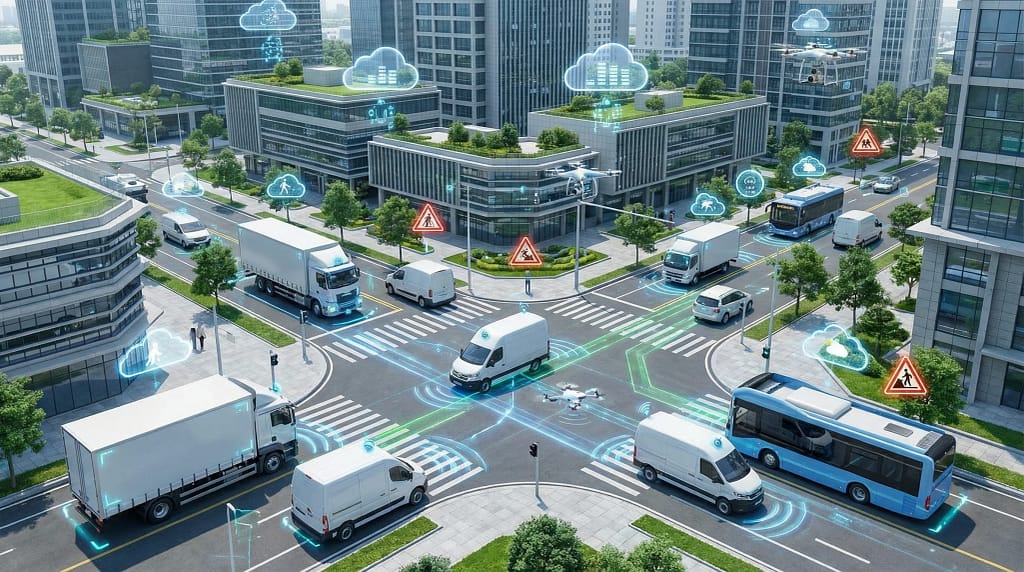
- Delivery and Logistics: Take on tight delivery windows in busy cities or the countryside by predicting slowdowns and adjusting schedules right away.
- Public Transportation: Use AI to spot patterns in delays or crowded routes, and move vehicles where they’re needed to improve service.
- Emergency Services: Ambulances and fire fleets keep response times quick by mapping out the fastest routes and making sure vehicles are always good to go in a crisis.
- Construction Fleets: Monitor equipment health and usage stats to prevent project delays and make worksites safer all around.
I’ve worked with companies who cut their unplanned downtime by more than 30% within just a year after putting AI-powered predictive maintenance in place. These aren’t just numbers on paper—they make a real and measurable difference to the bottom line.
Frequently Asked Questions
Here are a few questions I regularly get asked about AI in fleet management:
Question: Is AI tough to set up for small fleets?
Answer: Many providers now offer solutions for fleets of any size. You don’t need to manage hundreds of vehicles to see real benefits—a small operation can get a lot out of the right tools.
Question: Does AI take over human jobs?
Answer: AI handles the repetitive or super complex data tasks, but people still run the show for key decisions and customer relationships. I’ve found that AI frees up time for more important, high-value work.
Question: What about data privacy?
Answer: Reputable software partners clearly explain how your data is stored and protected. Always check privacy policies up front and go with companies that have a proven track record of safeguarding their customers’ information.
Final Thoughts and Key Takeaways
AI is setting the pace for new ways to make fleet management more efficient, help save money, and keep drivers and the public safer every mile of the ride. From picking what to fix first to getting everyone on board and handling the growing pains, there are plenty of smart ways to use AI—whether your fleet is big or small.
Jumping in with a single AI-powered tool can show you what’s possible. If you’re ready to see results, try out predictive maintenance or live route optimization first. They can get fast wins and set the stage for bigger, long-term improvements.
Thank you for questions, shares and comments!
Share your thoughts or questions in the comments below!