AI In Supply Chain Optimization
Artificial intelligence (AI) is helping me rethink how supply chains operate. Managing a supply chain means staying prepared for changes in demand, switches in supplier reliability, and global disruptions. With so many moving parts, traditional systems can sometimes struggle to keep up. AI steps in to help me analyze data, predict trends, and automate important decisions, all of which help me keep the flow of goods and materials running smoothly.
When I first started looking into AI for supply chain optimization, I realized it wasn’t just about robots in warehouses or selfdriving trucks. AI covers a wide range of tools and processes. From forecasting demand to streamlining logistics and managing risks, AI brings me practical support where I need it most. Using the right AI solutions, I can spot problems early and take action that saves both money and time.
So, I’m getting into how AI supports every step of the supply chain. Here are the main areas where I see the biggest improvements and exactly how AI makes my job easier.
1. AI-Powered Demand Forecasting
One of the first game-changers for me in supply chain management is AIdriven demand forecasting. AI algorithms can process vast amounts of sales data, seasonal trends, and outside influences like weather or what’s going on across social media. By detecting patterns I might miss, these systems help me predict how much stock I’ll need much more accurately than ever.
For example, if sales always spike for a product just after a particular event, an AI system tracks that and adjusts my order recommendations. Improved demand forecasts mean I can avoid both surplus inventory and empty shelves, making operations more efficient and customer service more reliable.
How AI Steps Up Forecasting
- Analyzes real-time data from multiple sources, even some I wouldn’t think to check myself.
- Updates predictions quickly as new data comes in, so I always work with the most recent forecast.
- Cuts down on human error, which is especially important when market conditions change abruptly.
Companies like Amazon and Walmart make heavy use of AI for demand planning. Better forecasts lead to improved service and less wasted inventory, which helps my bottom line.
2. Inventory Management With Automation
Managing inventory is another area where I see AI making a noticeable difference. Automated systems help keep track of stock levels, reorder points, and the lifespan of products on the shelf. These tools prove especially helpful for businesses with wide-ranging products or multiple storage locations.
By connecting AI inventory management tools with my sales, supplier, and logistics operations, I can automate reordering and avoid manual stock counts. The software learns my business cycles and can signal me if a pattern begins to change—for example, a slow shift in seasonal demand.
Key Benefits for Inventory Control
- Lowers the risk of running out of stock by automatically sending out replenishment orders.
- Reduces holding costs since inventory isn’t sitting around unused for too long.
- Spots slowmoving products early, letting me plan markdowns or targeted promotions ahead of time.
AI pumps up my inventory turn rates and helps my supply chain stay flexible during sudden changes.
3. Jump Into Logistics and Route Planning
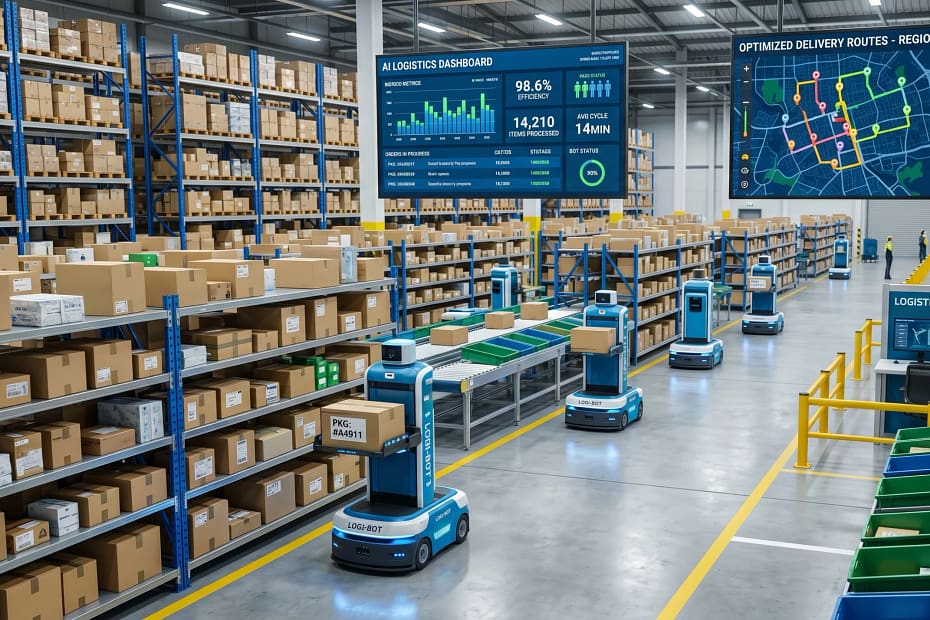
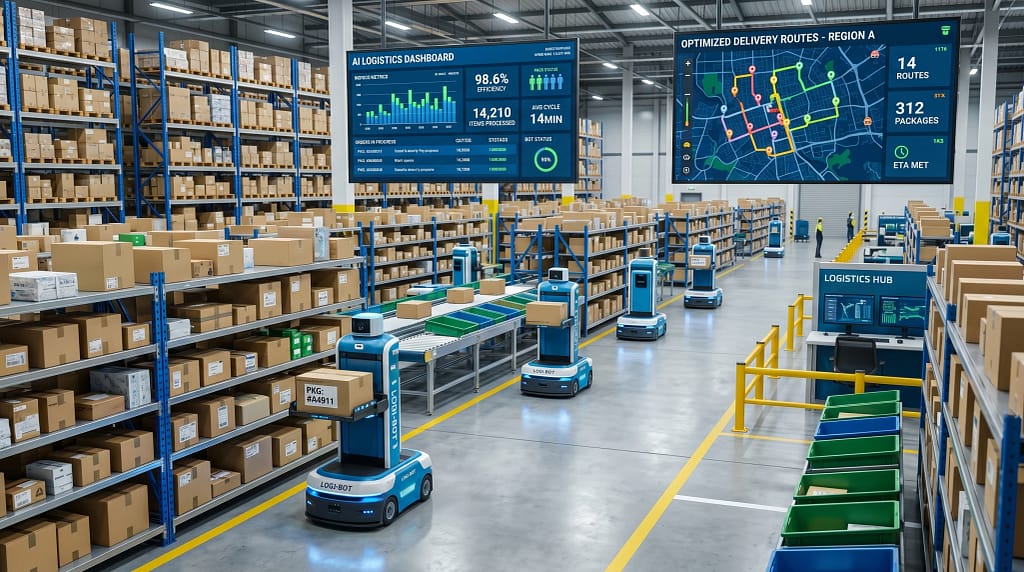
Shipping and delivery are often the most expensive and complex pieces of supply chain management. AI helps me by analyzing up-to-the-minute traffic, weather, and shipment data to guide the best delivery routes. This can cover truck fleets, lastmile vans, or even delivery drones.
AI tools allow me to plan better delivery schedules and adjust them as new circumstances come up. If a road gets blocked or a major traffic jam erupts, my system can reroute shipments automatically, dodging major delays. This level of automation keeps deliveries on time and helps lower costs for fuel and staffing.
How I Benefit From AI Logistics Planning
- Saves time and money by picking efficient routes based on current conditions.
- Improves reliability so I see fewer late or lost shipments.
- Gives customers more confidence through realtime tracking links and updates.
Major companies like FedEx and UPS have adopted AIbacked logistics platforms to process huge numbers of shipments smoothly. I’ve experienced the impact—these tools adapt quickly to supply chain disruptions and help keep my promises to customers.
4. Supplier Selection and Risk Management
Choosing suppliers and dealing with risks used to rely almost entirely on my experience and relationships. Today, AI tools check out suppliers by reviewing factors such as delivery performance, pricing, compliance, and financial standing. Some software also scans global news and social media for any early warning signs of risk or supply interruptions.
By automatically scoring and ranking suppliers, I quickly learn which partners are most dependable even before I run into trouble. If a supplier’s factory closes suddenly or a delivery bottleneck crops up, my AI system flags it and suggests alternatives so I can react in time.
How AI Minimizes Supply Chain Risks
- Monitors global news, regulations, and disruptions all day, alerting me to possible interruptions.
- Tracks supplier history to spot trends that might spell trouble down the line.
- Puts forward new or backup supply sources so I’m not left scrambling when shortages arise.
This proactive approach to keeping risks at bay means I can react before my customers feel the crunch.
5. Quality Control and Process Improvement
Keeping quality consistent across the supply chain is a top priority. AI-driven vision systems check products at every production stage to catch defects or inconsistencies. These systems move much faster than humans and pick up on details that can easily slip past manual checks.
Automated feedback loops address problems fast, cutting waste and maintaining my quality standards. If something goes wrong—a batch has defects—the software stops production so I can look into the issue before products reach customers. This makes it easier for me to stay ahead of quality issues.
Why AI Levels Up Quality
- Scans and grades products quickly, so fatigue or bias is not an issue.
- Adapts automatically to small changes in customer demands or specs.
- Offers sharp analytics that help me tweak and improve production over time.
Industries from automotive to electronics rely on AI for quality control, and it’s helped me cut down on defective shipments while keeping production costs down.
6. Sustainability and Environmental Impact
Customers increasingly care about reducing waste and cutting carbon emissions—myself included. AI helps me track energy use, map carbon footprints, and recommend ways to improve packaging or transport routes for both cost savings and sustainability. Some systems run simulations comparing different supply chain setups so I can see which will have the lowest environmental impact and make an informed decision.
AI can propose ecofriendly suppliers or help design new recycling programs and packaging that ultimately lessen environmental harm. Adopting these changes lets me meet customer demands for green practices, and often, it also trims long-term operational costs.
7. Streamline Communication and Teamwork
One persistent frustration is miscommunication between teams or partners. AI platforms now serve as single portals for sharing live updates, documents, and sudden workflow changes. When purchase orders, delivery timelines, and inventory levels sync automatically, everyone has the data they need without confusion.
AIpowered chatbots and digital assistants tackle routine questions from suppliers or customers, freeing up my real team for bigger challenges. This all adds up to fewer delays and an overall smoother supply chain operation.
Get Started With AI in Supply Chain
Putting AI to work in supply chain management might seem daunting, but I’ve found it’s easiest when I zero in on a specific challenge. Focus on a single pain point, such as forecasting demand or automating inventory, and pilot a simple AI solution first. Build on those lessons to gradually expand AI’s reach across more areas of the supply chain.
Keeping up with the latest AI tech and seeing how other businesses use it really pays off. If you want to look into concrete examples or explore in more depth, check out resources from the Supply Chain Digital or the Emerj AI guide for supply chain management. Doing your research helps track down the right solutions and make decisions that support your goals.
AI is becoming standard in how supply chains work. With the right approach and tools, I get more control over my operations, spot issues before they snowball, and make smarter, more sustainable decisions day in and day out.
And as AI keeps growing, it’s clear that those who adopt these technologies early will be better prepared for whatever twists the supply chain adventure brings. By taking small steps and staying curious about new possibilities, I set up my business to keep thriving, no matter how the world of logistics and supply shifts in the future.
How to build your own website with affiliate marketing?
Ready to start your own website and share your passion with the world?
Sign Up with Wealthy Affiliate and unlock step-by-step training to build your online presence just like I did!
Let us find out 🎓
Thank you for questions, shares and comments!
Share your thoughts or questions in the comments below!