AI In Education Personalized Learning
Every student learns in their own way, but traditional classrooms sometimes make it hard to keep up when everyone follows the same pace and method. Some students grasp concepts quickly, while others need extra practice or new ways to approach the material. This gap can lead to frustration on both sides, and can make learning feel less personal.
If you remember sitting through lessons that felt either too easy or too challenging, you know how important it is to have education that adapts to your needs. Personalized learning uses technology, especially artificial intelligence (AI), to support each student’s learning adventure. With AI, schools and teachers can give students unique guidance and experiences that help them stay on track and reach their goals.
I’m going to explain the most useful ways that AI supports personalized learning and how it can make a difference for students and teachers. AI isn’t just futuristic talk—it’s already in use in classrooms, apps, and online platforms everywhere. Let’s get into how these tools really work and the impact they have on everyday learning.
1. Adaptive Learning Platforms Help Students Where They Are
Adaptive learning platforms use AI algorithms to understand how each student is doing. Based on quiz answers, assignment attempts, and even the time spent on each question, these systems adjust the material to match individual needs. If a student gets stuck on a math concept, for example, the platform may give extra practice or a different explanation until the student understands it.
Programs like DreamBox for math or Duolingo for languages use this technology every day. I’ve watched students go from dreading certain subjects to actually enjoying them, all because the content finally fits their speed and level. When students don’t waste time on things they already know or rush ahead without understanding, learning can feel a lot less stressful and a lot more rewarding.
Key Benefits for Students:
- Progresses at the student’s personal pace
- Offers varied explanations and practice types
- Gives instant feedback, so mistakes become learning opportunities
These adaptive tools help shy students speak up more and give confident learners challenges that keep them excited. In a classroom with different backgrounds and learning speeds, adaptive learning makes everyone feel seen and supported.
2. Data-Driven Insights Help Teachers Focus Their Support
Another big strength of AI-driven personalized learning is the data it organizes for teachers. Instead of guessing who needs help, teachers see reports highlighting strengths and trouble spots for every student. For example, if half the class misses the same question on a science quiz, the teacher quickly knows what to review. If one student always struggles with a reading assignment, that student can get targeted help without feeling singled out.
With these insights, teachers can plan lessons or group activities that fit everyone’s needs more closely. In my experience, even small bits of data like time spent on homework or the types of mistakes being made can change the way teachers support students. It frees up time for deeper, more meaningful teaching moments, too.
How Teachers Use AI Insights:
- Tailor tutoring or support for struggling learners
- Identify when advanced students are ready for bigger challenges
- Streamline grading by spotting common patterns
Teachers can check in with parents more quickly as well, making it easy to update them on progress. Data-driven insights mean less guesswork and more time to help students reach their personal best.
3. Smart Recommendations Unlock Extra Resources
AI-powered tools don’t just stick to the basics; they often suggest extra activities, videos, or games based on what a student needs at that moment. For example, a student who understands fractions quickly may be offered early algebra practice, while another who has trouble can access visual learning tools to make sense of the same topic.
I’ve tried educational apps that recommend articles, hands-on tasks, or interactive challenges. These suggestions keep learning fresh and engaging, and allow students to try new approaches until something clicks. No two students get exactly the same resources, so everyone can move forward in their own way.
What Smart Recommendations Can Include:
- Videos or interactive simulations
- Reading material suited to a student’s interest or level
- Practice exercises that adapt in real time
These curated suggestions mean kids don’t get bored with routine work. Instead, AI keeps pushing their boundaries in fun, eye-catching ways that aren’t possible in a one-size-fits-all classroom.
4. Breaking Down Barriers Supports Diverse Needs
AI has the power to make learning more accessible for everyone, no matter their background or abilities. Tools with voice recognition, text to speech, or language translation remove many common obstacles. For students with learning differences such as dyslexia, AI can adjust reading difficulty or highlight key information to make content easier to digest.
In multilingual classrooms or for English language learners, AI-driven translation means students can understand lessons without waiting for manual help. As someone who has seen students’ confidence soar when lessons get easier to follow, I know how transformative these supports can be.
Accessibility Features AI Can Offer:
- Real time speech to text and translation
- Automatic reading level adjustments
- Personalized suggestions for different learning styles
AI opens new doors for students who might have been left behind before. It also allows teachers to support each individual’s differences while still moving ahead as a group.
5. Self-Paced and Flexible Learning Builds Ownership
Personalized learning with AI means students get more control over their schedules and pace. Instead of feeling rushed or bored, they can focus on each topic until they’re ready to move on. Many online schools and blended classrooms now use this kind of structure, making learning more flexible.
I’ve seen students thrive when they follow a selfpaced path. Those with busy lives or responsibilities outside of school can make steady progress, while motivated students can advance more quickly. It helps develop responsibility and confidence, qualities that last beyond the classroom. When students own their learning schedules, motivation rises and anxiety drops, supporting long term success.
6. Instant Feedback Makes Learning More Engaging
Instant feedback is one of AI’s most practical features in education. Instead of waiting days for grades, students know right away if their answers are correct. These quick responses keep students involved, help them correct mistakes immediately, and encourage them to keep practicing.
Instant feedback works for teachers, too. A teacher can quickly spot common errors and change their teaching or offer tips to the group. Over time, this feedback loop keeps everyone moving forward together. For younger kids, these little boosts give confidence right when it’s needed most, while older students gain practical insights that help them stay competitive.
7. Real-World Examples of AI in Personalized Learning
There are several popular platforms that use AI for personalized learning. Khan Academy’s AI features recommend practice problems and videos based on each student’s progress. Google Classroom uses AI tools to help organize assignments and create learning suggestions. Microsoft Education platforms offer real time translation and reading support, reaching students with different needs. Other services such as Quizlet’s adaptive study paths also tap into AI to equip students with targeted activities designed around their growth and goals.
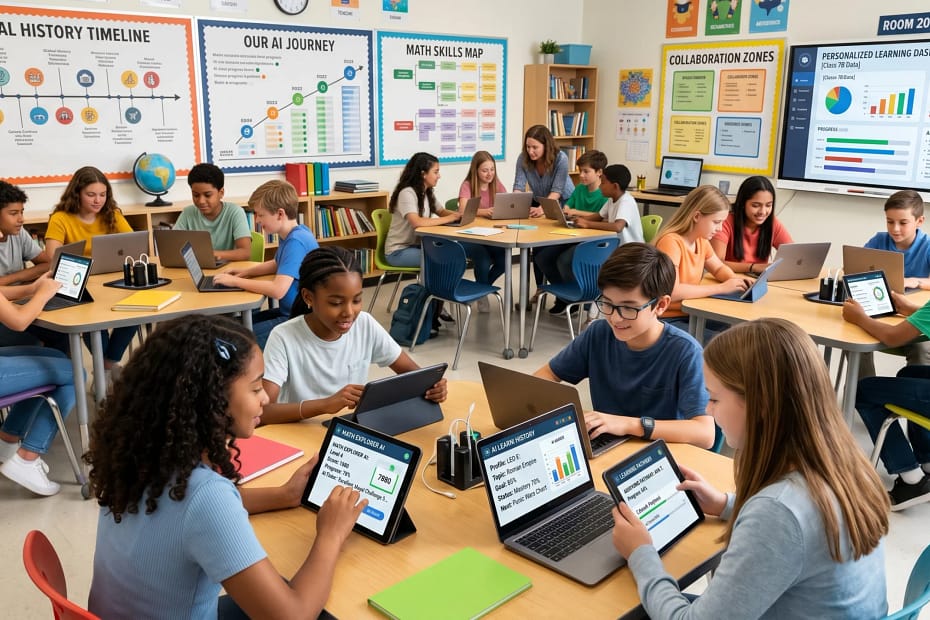
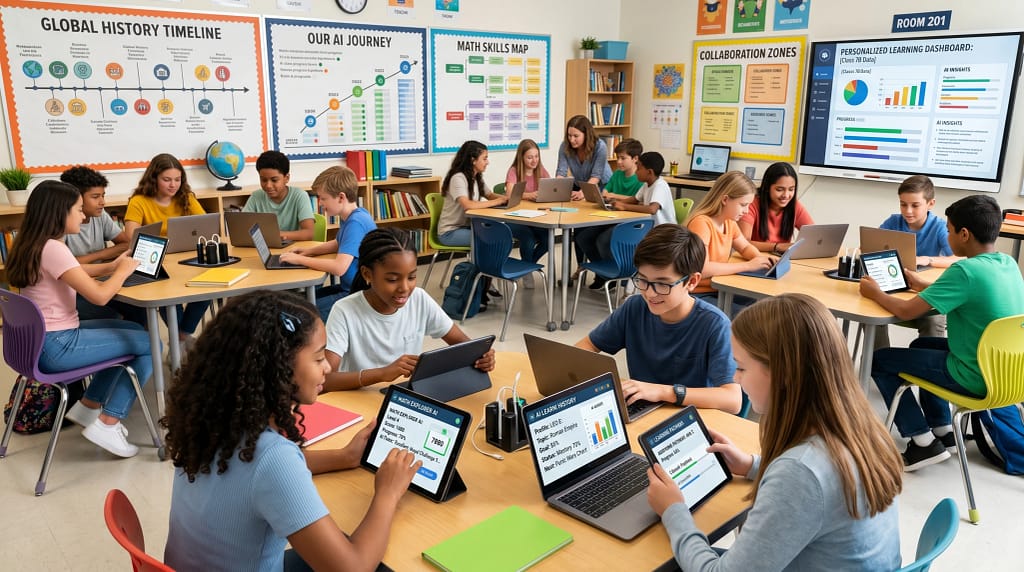
Many local schools now include AI-driven platforms in everyday teaching. Students interact with these tools through tablets, laptops, or phones. I’ve worked with parents who appreciate seeing their child’s progress right away through these systems, which builds trust and keeps everyone involved in learning. Families and teachers can connect and celebrate wins more often, giving every student the support they need to succeed.
Final Thoughts
AI in education is quickly changing how students learn and how teachers support them. By focusing on personalized learning, AI allows everyone to move at the right speed, get targeted help, and enjoy more engaging lessons. The best experiences with AI in education happen when technology works alongside teachers, not instead of them. Students get a learning adventure that feels unique to them, and teachers get tools that make their work more effective. Personalized learning with AI is already making classrooms more adaptable, supportive, and enjoyable for everyone involved. Looking to the future, this technology is bound to keep growing, helping more learners stay motivated, confident, and connected to their education.
Students Empowerment Hub GPT
Comprehensive support for students aiming to establish their online presence, equipping them with the tools and knowledge needed to thrive in the digital business landscape. (Tips, references, guidance, career choice, cv, job online, free courses,… name it)
Thank you for questions, shares and comments!
Share your thoughts or questions in the comments below!