

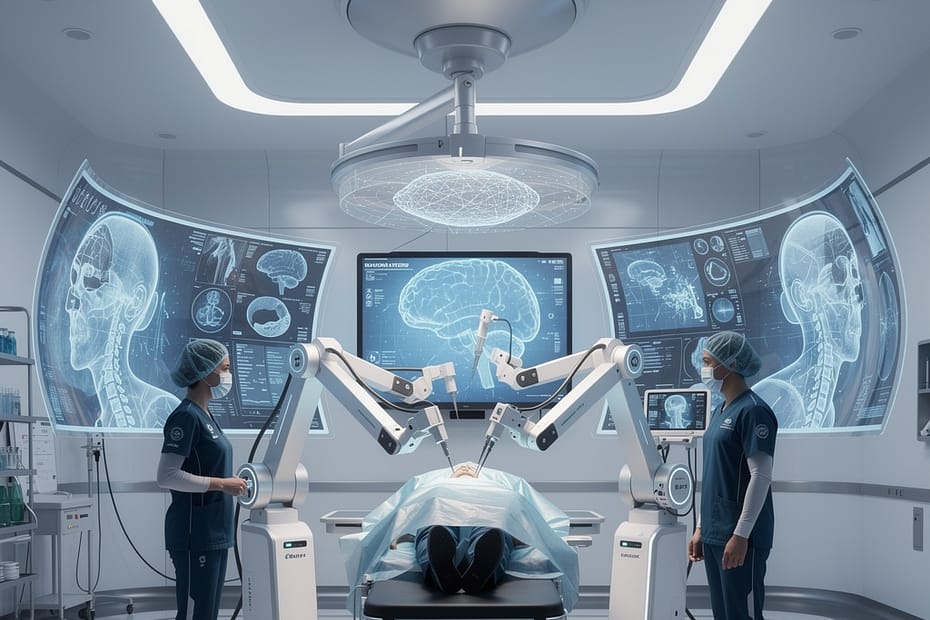
Robotics, AI The Future Of Surgery
Technology’s got its fingers deep in so many pies these days, and medicine is one of them. We’ve been through super speedy changes in how surgeries get done, all thanks to some cool tech advances. Just think, not that long ago, surgeries looked pretty different. But pop in some robotics and a dash of AI, and you’ve got a whole new ball game.
Robots and AI in surgeries aren’t exactly the same thing, but they make a killer team when it comes to rethinking how surgeries work. Robots bring in the stuff like steady hands and precision, while AI flexes its brainpower, assisting in diagnostics and helping predict what comes next. Together, they’re shaking up the surgical scene in ways we’ve never seen before.
We’re talking about breakthroughs that sound almost sci-fi. Robotic arms help surgeons perform procedures with incredible precision that just couldn’t be done with human hands alone; AI helps with diagnostics that would’ve taken ages manually. Surgeries are getting a serious upgrade, shooting for better precision and outcomes.
What’s on the table are surgeries that end up being quicker and safer for patients, with fewer complications. It’s not just about being flashy, it’s really about improving how things work for both the patients and doctors. The precision AI brings into play isn’t just about cutting or stitching; it’s about making sure surgeries leave patients in better shape overall.
The Benefits of Incorporating Robotics and AI in Surgical Practices
Precision is the name of the game when you’re in the operating room, and that’s where robots and AI really strut their stuff. They’re here not just to make surgeries flashier, but to boost accuracy, which can mean the world to patients undergoing complex procedures.
One major game-changer is in reducing human error. Let’s face it, even the most skilled surgeon can’t guarantee perfection every time. But throw in a robotic assistant, and suddenly that level of precision jumps up a notch or two. AI analyzes data in real-time, offering insights and suggestions that might go unnoticed in all the hustle and bustle of a busy OR.
Recovery is another area where AI and robotics flex their muscles. With more precise surgeries, patients tend to recover faster, cutting down on hospital stays and recovery time at home. That’s less stress on healthcare facilities and a quicker return to normal life for the patient. There’s real value there that goes beyond the immediate surgery.
Accessibility is a massive benefit that’s often overlooked. Robotics can bring complex surgeries to areas where they’d usually be out of reach, maybe rural places or regions lacking specialist surgeons. AI helps remote teams work together seamlessly, even if they’re continents apart. This level of accessibility can change lives by offering the best care possible, no matter where you are.
Ultimately, integrating robotics and AI streamlines the whole surgical process. It’s not just about the procedure itself but making sure from pre-op to recovery, everything runs as smoothly and efficiently as possible. It’s all about setting up the best outcomes with less chaos along the way.
Challenges and Ethical Considerations in AI-Driven Surgery
Every rose has its thorn, and with the rise of AI and robotics in surgery, there are some real challenges and big ethical questions that need hammering out. First up, the cost factor. Implementing these cutting-edge technologies isn’t just a matter of plugging them in and going; there’s a hefty price tag for the equipment and the upkeep, which might not be feasible for every hospital, especially those already pinching pennies.
Privacy and data security pop up as huge concerns too. With AI systems crunching through mountains of patient data to improve diagnostics and outcomes, there’s always the question of who has access to this information and how it’s protected. Patients need reassurance that their private data won’t end up in the wrong hands or misused in any way.
The tech itself is fantastic, but there’s a worry that doctors might start leaning too heavily on machines, losing some of that personal touch patients value so much. Like, would you prefer a friendly conversation with a doctor about your surgery or a cold, surgical cut-and-dry rundown from a machine? Finding a balance here is vital to keep care personal while using tech as a helpful tool.
And let’s not sidestep the big ethical issue of machines decision-making in medical settings. AI can route out patterns and make predictions based on millions of data points, but should it step in and decide? Where do we draw the line between algorithm genius and good old human judgment? This isn’t just an operational question but something that cuts into the ethical core of patient care.
The Future of Surgery? What Lies Ahead?
Surgery is stepping into an era that looks like something out of tomorrow’s world. With AI and robotics continuing to evolve at a rapid pace, they’re shaping the future of medical procedures in ways that seemed impossible just a few years back. One of the most exciting developments on the horizon involves further integration of AI in predictive analytics within surgical procedures, helping to tailor operations specifically to individual patient needs with unprecedented precision.
We’re also seeing the rise of robotic devices that can perform tasks more independently, requiring less direct input from human surgeons. This could revolutionize how surgeries are conducted, making complex procedures more efficient and adaptable to unforeseen circumstances during operations.
Looking ahead, interdisciplinary collaboration is going to be key. As tech whizzes, medical experts, and regulatory bodies put their heads together, the aim is to push forward with innovations that not only enhance what’s possible in surgery but also improve overall healthcare delivery systems.
It’s important, though, for advancements to be guided by a strong ethical framework. Ensuring these technologies align with ethical standards is crucial for public trust. While innovation races ahead, the call for research and implementation of appropriate guidelines can’t be neglected. Striking the right balance between embracing new technologies and maintaining humanity in healthcare is what will steer us successfully into the future.
Thank you for questions, shares and comments!
Share your thoughts or questions in the comments below!
Website hosted by WA,
Human touch by Samburu & Fleeky
powered with AI tools
like niche, images, content & keyword search.


