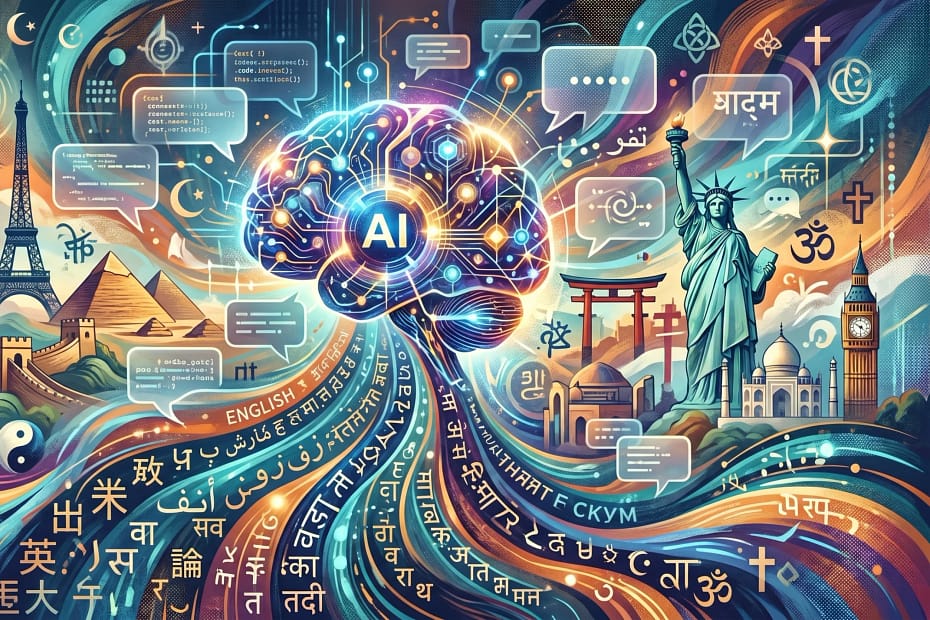
Adaptive AI-driven Etiquette Evolution In Virtual Multicultural Communities
Participating in virtual communities that bring together people from all over can be an eye-opening experience. As more communication happens online, I’ve noticed customs and behaviors from every corner of the globe come together in these shared spaces. Sometimes, what’s considered polite in one group might seem unusual or even rude to someone from a totally different background. Adaptive AI-driven etiquette is making it possible for these spaces to feel more welcoming for everyone, and I find it fascinating to see how technology is helping make online conversations more respectful and inclusive. In this article, I’ll explain how adaptive, AI-powered etiquette solutions change in multicultural virtual communities and how they really make a positive difference for everyone involved.
Why Etiquette Matters in Virtual Multicultural Communities
Online communities now go beyond physical borders. I often see conversations on forums, gaming platforms, and social networks that include participants from every continent. This mix of backgrounds adds energy and new perspectives, but it also brings some hurdles. Etiquette, just a set of expected behaviors, plays a big role in preventing misunderstandings and keeping interactions positive.
Online etiquette, or netiquette, covers things like greeting styles, response times, phrasing, and the use of jokes or emojis. What feels normal to me may not be comfortable to someone from another part of the world. In my experience, being open-minded and learning a bit about others’ customs can help, but managing this at scale as a community grows is not easy. That’s where technology really makes a difference.
What Makes AI-Driven Etiquette Adaptive?
Traditional online etiquette rules often use fixed guidelines, like automatic filters blocking certain words or reminders to be polite. Adaptive AI-driven etiquette, in contrast, learns and changes based on actual member behavior and feedback. These AI models pay attention to language differences, context, and changing trends, allowing the technology to provide helpful nudges or advice on communication as needed.
For example, I joined a large online hobby group where the AI would quietly suggest alternate phrasing if my posts used slang that might not translate well. Over time, it learned which phrases confused users and improved its recommendations; this real-time learning helps avoid misunderstandings and creates an atmosphere where everyone feels more comfortable and included.
How AI Learns and Changes Online Etiquette
I often think about how AI systems pick up on social patterns in virtual communities. They use a mix of data analysis, feedback loops, and natural language processing. Here are some main ways AI adapts etiquette online:
- Monitoring Communication Patterns: AI tools scan for tone, formality, and common challenges across conversations, adjusting to what works best for the group.
- Feedback Integration: Community members can flag interactions that feel uncomfortable. The AI reviews this input, spots patterns, and updates its suggestions to make things better in the future.
- Multilingual Understanding: AI models recognize different languages, dialects, and cultural references. They suggest clearer or friendlier ways to phrase something when conversations bring together multiple backgrounds.
- Automated Moderation: Rather than just removing harmful content, adaptive AI explains why some behaviors might not fit and offers gentle ways to reword or respond.
Using these methods means etiquette recommendations match real community needs and can switch up as those needs shift.
Benefits of Adaptive AI-Driven Etiquette in Multicultural Spaces
From what I’ve seen in communities where etiquette is actively managed by AI, trust and participation tend to grow. Members feel more confident that others are trying to communicate respectfully, even if everyone has different ways of expressing themselves. Some other positive outcomes include:
- Fewer misunderstandings from cultural and linguistic differences
- Lower chance of conflict or aggressive responses
- Quicker resolution of accidental offense
- A sense of safety and belonging for new and existing members
I think these benefits are obvious in groups where topics get heated or when quickfire exchanges may otherwise spiral out of control. With effective AI moderation, I’ve noticed people are more willing to speak up and share their perspectives, knowing fair treatment is likely if a misunderstanding happens.
Challenges and Limitations of AI-Driven Etiquette
No solution is perfect. AI systems can sometimes misinterpret context, which makes it important for developers to listen to feedback and keep improving their tools. From my experience, here are a few common challenges:
- Context Misunderstandings: AI may flag friendly jokes or sarcasm as impolite, since tone is tough to judge from text alone.
- Overfiltering: Too much moderation can make interactions feel forced or artificial, and striking a balance is really important.
- Bias in AI Training Data: Sometimes, AI systems learn from past data that doesn’t reflect today’s diversity or is too focused on one geographic region, missing key signals from elsewhere.
- Privacy and Trust: Users might worry that AI monitors everything they type. Clear guidelines and options to opt out are useful for building trust.
Example: Balancing Humor and Formality
In one gaming forum I participated in, playful banter was normal, but some jokes unintentionally offended newcomers from other backgrounds. The AI-powered etiquette assistant started by suggesting alternatives when certain phrases caused confusion and even offered context tips for inside jokes. Over several months, the community’s mood became more welcoming without losing its own brand of humor.
Real-World Applications? Where I’ve Seen Adaptive AI Etiquette Work
Many online platforms now use some form of adaptive AI moderation. I’ve noticed this most clearly in global workspaces, online gaming communities, and education forums. For instance:
- Remote Team Platforms: Tools like Microsoft Teams or Slack mix in etiquette reminders that prompt more inclusive language. If someone uses business slang or words that confuse non-native speakers, the system suggests simpler alternatives.
- Online Courses and Study Groups: Large-scale learning platforms use AI to look over discussion boards and chats. When discussions get off track or misunderstandings happen, etiquette bots offer tips on polite phrasing or explain cultural references.
- Global Hobby Communities: In groups for art, coding, or sports, AI helpers encourage respectful debate, flag subtle language changes, and explain regional differences to keep discussions healthy.
These examples show me how adaptive etiquette powered by AI not only cuts down conflict but also grows stronger, more lively communities where everyone feels they belong.
Tips for Making the Most of Adaptive AI Etiquette Solutions
For anyone interested in joining or running a multicultural online community, a few steps can help get the best out of AI-driven etiquette tools:
- Encourage Feedback: Give members ways to flag misunderstandings or share thoughts about the AI’s advice. Community input helps improve etiquette adaption over time.
- Stay Transparent: Clearly explain how the AI works, what it keeps track of, and how suggestions are made. This makes it easier for users to trust the system.
- Provide Cultural Education: Besides AI nudges, consider adding short guides or welcome posts about common customs in the group. This helps everyone come into the community with understanding before problems arise.
- Balance Automation and Human Moderation: Use AI to support, not replace, active human moderation. Moderators can step in when nuanced judgment is needed beyond what AI can provide.
- Keep AI Models Up to Date: Community attitudes and language trends change. Make sure the AI is updated regularly to avoid outdated advice or odd suggestions.
I’ve seen these steps lead to more lively and healthier communities where all voices are heard and respected.
Common Questions About AI-Driven Etiquette in Virtual Communities
Here are a couple of questions I hear most often about this topic:
Question: Can AI really spot cultural differences?
Answer: AI isn’t perfect, but with enough data and member feedback, it can learn common patterns and misunderstandings, and adjust its recommendations. Combining AI advice with human moderation usually gives the best results.
Question: Is my privacy at risk if AI moderates conversations?
Answer: Most platforms watch only public conversations and give users some control over what’s monitored. Community guidelines should clearly spell out what’s being watched and why, so people can make their own choices about how much to participate.
Question: What happens when AI gets etiquette wrong?
Answer: Feedback tools let users point out mistakes or let moderators review questionable cases. Regular improvements and check-ins with the community help AI get better with time.
Looking Ahead With Better Virtual Etiquette
Online communities benefit from the unique strengths of every participant. By using adaptive AI to guide etiquette, these spaces become friendlier and more open for people from all walks of life. I enjoy seeing how evolving technology can support connection and understanding, especially as our digital relationships keep growing and becoming more international.
Getting comfortable with AI-driven virtual etiquette can help anyone take part in or build a more respectful, thriving modern online community. Staying open to learning and working alongside the technology is key to keeping these spaces welcoming and buzzing with activity.
Personalized learning wIth AI on Amazon
Brainstormer GPT

Your versatile creative ally!
Thank you for questions, shares and comments!
Share your thoughts or questions in the comments below!