
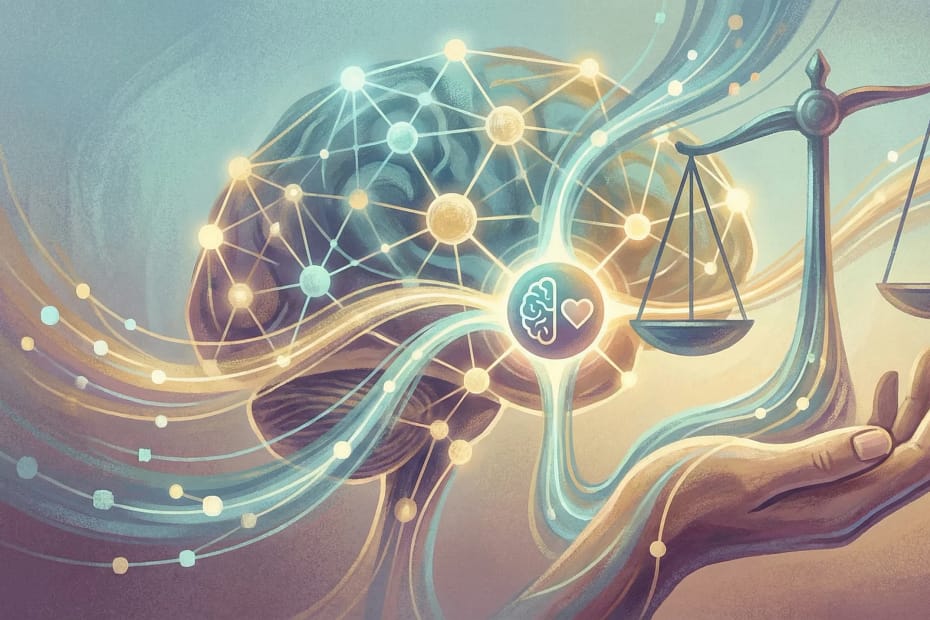
AI-created content pops up just about everywhere these days. Whether I’m reading news articles, scrolling through social media, or stopping by brand websites, I notice more and more work written or created by artificial intelligence systems. This growing switch to digital creativity adds some thought-provoking questions about what’s fair, who gets credit, and where responsibility sits. In this article, I’ll break down the main ethical considerations around AI-generated content, so you’ll know what’s at stake whether you’re a creator, a reader, or a business owner.
What Does AI-Created Content Really Mean?
When I mention AI-created content, I’m talking about anything made by an artificial intelligence system. This covers written text, images, music tracks, or even videos. These systems don’t think or feel like I do; they use big sets of data and complex algorithms to predict and generate fresh content based on the patterns they’ve picked up.
Most AI content fits into three areas: text (think articles and blog posts), image (like digital artwork or AI-edited pictures), and audio or video (such as computer-generated voiceovers, music pieces, or deepfake videos). Tools include well-known names like ChatGPT for writing and DALL-E or Midjourney for art.
AI is getting so smart that its outputs sometimes look just like human-made creations. That’s why it’s crucial to talk about the ethics behind making and sharing AI-generated work—especially as it gets tougher to tell what’s made by people versus what’s crafted by a machine.
Key Ethical Questions With AI-Created Content
Whenever AI steps in to make content, a few big questions come up around fairness, authorship, and trust:
- Who owns the work? If an AI wrote this paragraph, does the coder, user, or the AI itself own it?
- Is the content original? Sometimes, AI pulls too closely from its training data. That sparks some real concern about plagiarism and copyright issues.
- Who is responsible for errors or harm? If AI writes something inaccurate, misleading, or offensive, who gets the blame?
- How transparent should creators be? Should I always mention if content was made using AI, or is it okay to let people think it’s human-written?
I think about these each time I read, share, or make AI-influenced content. The stakes are different for businesses, writers, artists, and audiences, making it important to put clear, fair standards in place as we move forward.
Why Ownership and Copyright Matter
Copyright law was built for human creativity, but things get tricky with AI. If I use a tool like ChatGPT to draft an article, I’m pushing the buttons, but the software generates the words. Do those words belong to me?
Some countries have started saying that only humans can actually own copyright. In other words, if AI creates art, music, or text alone, nobody can legally own it. However, if I direct the AI or put my own edits into the end product, there’s a chance I could claim rights to it. The lines are blurry and haven’t been clearly defined yet.
There’s also the issue of how AIs are trained. Many AI models learn by scraping huge amounts of data from the internet, often without asking the original creators for permission. This has led to artists and writers filing lawsuits to protect their creativity from being copied by automated systems. Being respectful of source creators is extremely important for keeping creativity fair and thriving for everyone.
As more companies and individuals use AI to generate content, conversations about intellectual property are increasing. Businesses, for example, have to make sure their marketing copy, website articles, or ad images are truly original—not based too closely on someone else’s work that an AI sampled. For artists, this means knowing how their own portfolios are being used, or potentially misused, as examples for AI algorithms.
Originality, Plagiarism, and Attribution
AI systems can churn out work at lightning speed, but they do it by referencing millions of pages, images, or pieces of audio already on the internet. If I use AI to create something and it happens to closely copy another’s work—even by accident—I might be plagiarizing without realizing it.
Attribution, or giving credit to the right source, is standard in creative industries. But with AI, crediting gets complicated. Sometimes, generated content borrows a sentence, a structure, or even a melody that belongs to someone else. Unless I check carefully, I could end up posting something not truly my own.
More and more platforms are asking creators to add AI disclosures. Some also use watermarks for AI-created images. Honesty about how and when AI tech is used helps keep trust strong among creators and audiences.
Accountability: Who Answers for Mistakes?
AI programs don’t have values or intent. If I use AI to make content that turns out false, offensive, or harmful, responsibility typically falls on me or my business.
For companies, that means checking AI-generated work carefully before it goes live. Many organizations set up editorial reviews and published guidelines to prevent misinformation or bias creeping into public-facing work. Fact-checking, editing, and ensuring AI doesn’t reinforce stereotypes or mistakes is crucial—keeping real people involved at every key step.
There have been cases where companies rushed AI-generated news releases or articles online, only to face criticism after errors came to light. These moments show how vital it is to have someone review and edit, not just trust a machine’s first draft.
Transparency and Disclosure
Honesty pays off. If I use AI to craft content, I’m usually expected to mention it somewhere readers can easily spot. This builds trust, allowing people to make informed choices about what they read or view.
Some major newsrooms, including Reuters and The Associated Press, reveal their use of AI-generated articles. Others add clear disclaimers. Being upfront makes sure readers know whether they’re dealing with human or machine-created materials, which is key for credibility, especially in fields like journalism and education.
Social Impact: Bias and Representation
The data used to train AI mirrors society. It’s full of all the same gaps, biases, and stereotypes members of society carry. This means AI can recreate those problems if unchecked. For instance, if I use AI to suggest hiring candidates, it might repeat gender or racial preferences from its training set.
To keep content fair, it’s important to spot bias. Some creators use bias-detection tech. Larger companies often bring together diverse teams to review AI content and remove stereotypes or unfair portrayals. This extra step goes a long way in supporting fair representation and avoiding harm.
Quick Guide to Handling Ethical AI Content Creation
If you want to put AI to work for your own content, here’s my practical approach to keeping things honest and fair:
- Disclose AI Use: Always tell your audience when content has been generated or touched up with artificial intelligence.
- Double-Check Facts: Don’t rely on AI alone for accuracy. Always fact-check and edit for errors, clarity, and bias.
- Respect Copyright: Look at your AI tool’s terms and try to learn how it gathers training data. Pick tools that are clear about data sources and respect creator rights.
- Monitor for Bias: Review any generated content for language, images, or ideas that might be offensive or biased.
- Share Credit: When collaborating, explain who contributed what—make clear if and how both humans and AI helped out.
These steps help protect your reputation, respect other creators, and maintain ethical standards as AI becomes more common in content creation.
Common Issues and How to Tackle Them
AI-generated content comes with some real-world challenges you’ll want to keep in mind:
- Content Accuracy: AI doesn’t always nail the facts. Reviewing and editing every output cuts down on mistakes.
- Authorship Confusion: Readers might not know who or what created a specific piece. Clearly label AI-generated sections or products so there’s no confusion.
- Privacy: Some AI tools gather personal data for training. Always use options that keep this info anonymous and secure; privacy matters now more than ever.
- Overreliance: If you let AI do everything, you risk losing your creative spark. Mixing AI tools with your own style and ideas keeps the final product unique and engaging.
Thinking through these challenges head-on means you can make the most of AI’s benefits while protecting your creativity and your audience’s trust.
Practical Applications and Real-World Examples
AI-generated content is already shaking up various industries:
- Journalism: Some outlets now use AI for basic news, financial reports, and sports recaps, with editors reading over before publication.
- Marketing: AI quickly spins up product descriptions, ad copy, or social media posts, saving marketers time for big-picture brainstorming.
- Art and Design: More and more artists use AI as a creative partner for new visual styles or digital collabs, often blending in their own edits for originality.
Being ethical with these uses means always disclosing AI’s role and keeping humans involved. Editorial review and clear communication are what will set apart ethical creators from the rest.
Frequently Asked Questions
Here are answers to some of the most common questions about AI-created content and ethics:
Question: Is it okay to use AI for creative work?
Answer: Using AI is fine if you’re up front about it and don’t simply copy others. Always look over, edit, and add your own touch for true originality.
Question: How do I know if AI-created content is biased?
Answer: AI can reflect biases in the data used for training. Reviewing results and having diverse people check the output reduces that risk.
Question: Should I tell my audience if something was made with AI?
Answer: Yes, being open with your audience leads to trust—so always mention when content is AI-made, even if it’s just a quick note.
Moving Forward With Ethical AI Content
Ethics in AI content isn’t simple, but honesty, accuracy, and respect go a long way. The more attention you give to transparency, ownership, and accountability, the more trust you’ll build—and the better your work will be for all involved.
How to build your own website with affiliate marketing?
Ready to start your own website and share your passion with the world?
Sign Up with Wealthy Affiliate and unlock step-by-step training to build your online presence just like I did!
Let us find out 🎓


