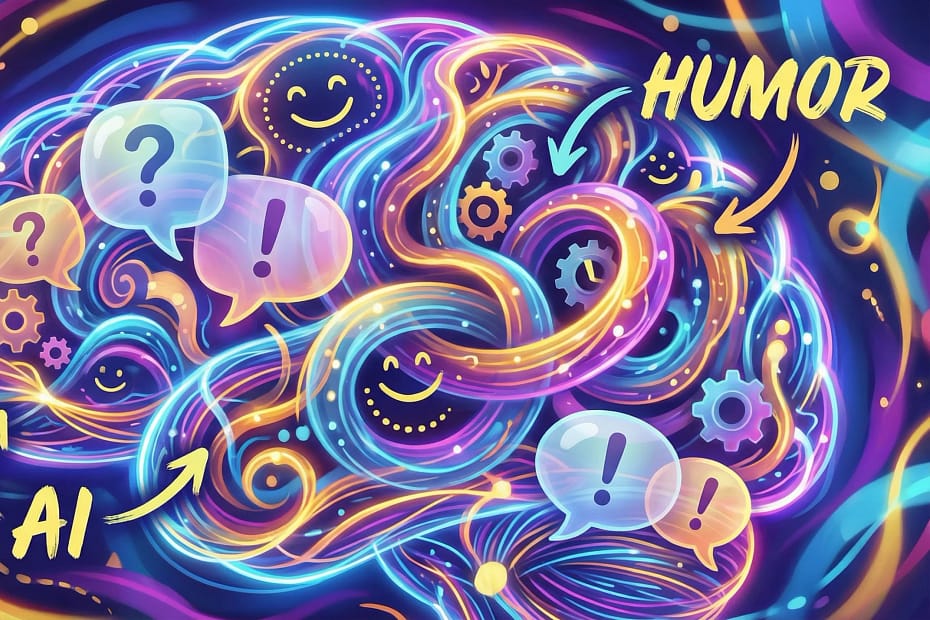
Neuroadaptive AI Humor Therapy Tailored For Neurodivergent Well-being
Neuroadaptive AI Humor Therapy listens and adapts to each person’s communication style, humor preferences, and sensory needs. The result is a more personal, accessible, and enjoyable path to improving mental well-being. This is especially important for neurodivergent individuals who may not feel seen with other methods. Speaking from experience, I have tried all kinds of well-being strategies, and this technology is opening useful new doors for many like me.
This guide will explain what neuroadaptive AI humor therapy is, how it works for neurodivergent people, and practical steps for making it a regular part of daily life. You’ll also see ideas for making the most of this therapy and some tips from my own journey.
Understand Neuroadaptive AI Humor Therapy
Neuroadaptive AI Humor Therapy is a digital approach that puts AI to work in delivering jokes, playful prompts, and mood-boosting interactions personalized for your neurological profile. Rather than taking a one-size-fits-all approach, the AI learns from your feedback, responses, and even your current mood.
What Neuroadaptive Means
- The system pays attention to your feedback. If I respond well to a joke or activity, it records that and brings similar humor again in future sessions.
- If a joke falls flat or seems unhelpful, the AI recognizes this and steers away from that kind of humor with me.
- The system fine-tunes pacing, sensory intensity, and language so sessions feel comfortable and not overwhelming.
How Humor Works with Neurodivergence
- People find different things funny. For example, I enjoy light sarcasm, but slapstick usually doesn’t do it for me. A neuroadaptive AI takes these differences into account.
- Neurodivergent folks may process language in unique ways. Literal jokes work best for some, while others connect more with visual or audio humor.
This method invites more people into the fun, meeting us where we are, rather than forcing us into someone else’s version of what’s funny.
Benefits for Neurodivergent Well-being
Living with neurodivergence often means handling extra stress, confusion, or isolation. Through trial and error, I’ve found that humor therapy tailored for me does wonders for my mental and emotional health—it’s gentle, real, and actually enjoyable.
Reduced Stress and Anxiety
- Laughter signals safety to the nervous system. With humor that matches my style and is predictable, my body can settle down instead of feeling startled.
- Short humor breaks hit the reset button on overthinking after tough moments, giving my mind a positive interruption.
Better Social Connection
- Neuroadaptive humor gives me conversation starters, and even social scripts I’ve found useful in groups.
- Practicing with an AI has helped me gain confidence sharing jokes with friends, making me feel more in sync with others.
More Motivation and Self-Expression
- Personal humor boosts encourage honest self-expression. I feel seen as the unique person I am, not just a “client.”
- When a joke lands—even just one—it brings a small motivation boost that helps me stick with self-care or try something new that day.
How to Start With Neuroadaptive Humor Therapy
Jumping into this therapy is simple, especially if you already use a smartphone, tablet, or computer. Here are my tips for getting started:
Track Down a Platform or App
- Several apps and digital platforms offer this therapy style now. Most provide a trial period so you can check if it fits your needs.
- Look for clear privacy policies and details about personal data. I always give these a once-over before signing up.
Personalize Your Preferences
- You’ll likely see a quick questionnaire on humor style, neurotype, and sensitivities (like sound, images, or language).
- Be honest in your answers. The more details you provide, the smoother the system will customize your experience. That made a huge difference for me.
Go at Your Own Pace
- Start with short, gentle sessions—five or ten minutes at first. When you’re ready, you can use it for longer.
- If a session starts to feel off or too much, take a break or try a different humor style. You’re always in control.
Key Features to Look For
Not all AI humor therapy tools offer the same things. Here are features I find really useful and worth seeking out:
- Customizable Humor Levels: Easily switch between silly, dry, or literal humor to match your mood.
- Adjustable Sensory Content: Low stimulation modes prevent sensory overload if you’re sensitive to sounds or images.
- Mood Tracking: The AI keeps tabs on your reactions and adapts session by session, letting it grow with you over time.
- Accessibility Options: Features like captions, adjustable fonts, and audio choices make sure sessions are easy for everyone to follow.
Some platforms even add progress tracking, daily summaries, or joint session options for friends and caregivers. These can make things extra userfriendly for people with varied support needs.
Questions to Think About When Choosing an AI Humor Therapy Tool
- Does it cover a wide range of humor styles that match the way I or my loved one picks up on jokes?
- How does the AI use my feedback to update and personalize sessions?
- How is my data stored and protected? Can I delete my history if I want?
- Will it work smoothly with other well-being tools I use?
- Are there ways for a caregiver or therapist to join in for extra support?
Simple Tips for Making This Therapy Work for You
- Keep it light and don’t force yourself. If you get frustrated, pause for a while and return when you feel ready.
- For even better results, combine AI humor therapy with calming routines like mindful breathing or moving your body.
- Talk about your experiences with therapists or support groups. Sharing positive moments can build stronger connections.
Troubleshooting Common Challenges
What if I Don’t Laugh Easily?
Some days, laughing just doesn’t come naturally—and that’s okay. Gentle jokes or positive phrases can still lift your mood. Try mixing up the humor style or let the AI know what topics you find most relaxing.
Too Much Sensory Input
If you get overwhelmed, switch on “quiet mode” or turn down extra sounds and busy visuals.
Difficulty Communicating Preferences
Sharing your unique humor style can be tricky at first. Make notes about what you like, and update your settings as you go. Platforms usually let you adjust anytime.
Next Steps for Embracing Neuroadaptive Humor
- Take advantage of a free trial on a neuroadaptive AI humor therapy app or tool for a few days.
- Pay attention to the humor styles or prompts that make you feel the most at ease. Jot down what brings you a smile using the app’s notes or journal feature.
- Offer feedback to the app or provider so they can improve things for you and others.
Neuroadaptive AI humor therapy puts personalized support and enjoyment within easy reach for neurodivergent people. When laughter mixes with digital care, daily routines can grow lighter and more connected, all while honoring your unique mind and sense of fun. By trying this approach, you might find well-being strategies that truly fit how you see the world. And sometimes, all it takes is the right joke at the right time to give your whole day a boost.
If you need more jokes with illustrations, feel free to ask The JokeStar GPT 😊
A random, family-friendly joke, tailored to bring a smile to everyone