

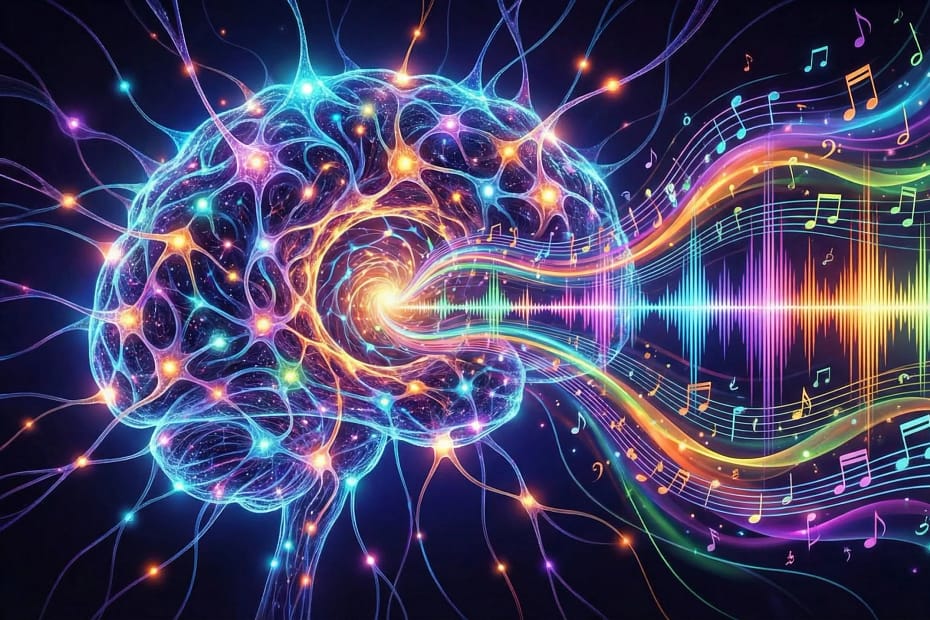
AI & The New Frontier In Music Composition
AI-powered music composition has become one of the most interesting changes in how I create and experience music. Computer systems are now able to compose songs, design new melodies, and even help producers finish music faster. For anyone curious about this area, the technology is bringing a ton of new ways to make, share, and enjoy music. I want to walk you through the basics, key tools, and useful ideas so you can understand what AI is doing in music composition and how you might get involved.
The Growth of AI in Music Composition
AI in music composition has grown quickly over the past decade. From simple computergenerated melodies in the 1950s to modern AI tools that create fulllength songs, the change has been huge. Big advances in machine learning, especially neural networks, have let computers learn from thousands of existing songs to generate realistic and sometimes surprising results. This tech is now shaping music for movies, games, commercials, and popular artists. Almost every part of music-making, from writing to arranging and even mastering, is starting to see AI’s influence.
When I look at the music software market, research shows the industry is expected to reach over $8 billion by 2027. Companies like OpenAI (the creators of MuseNet), Google (with Magenta), and startups like Amper Music and AIVA are leading this field. These tools mean more people can create complex music even if they haven’t had traditional music training. AI is making music composition more open and flexible for hobbyists and professionals alike.
How AI Composes Music? Explaining the Basics
The nuts and bolts of AI music composition start with data. AI models need to learn from lots of examples, hundreds or thousands of songs in different styles, tempos, and genres. By looking for patterns and connections between notes, chords, and rhythm, the system can try generating its own music.
Here are a few terms and ideas I think are helpful to know:
- Machine Learning: This is a way for computers to learn patterns from the data they’re given, in this case, hundreds or thousands of existing songs.
- Neural Networks: These are systems designed to “think” like a brain, picking up connections in music such as chord progressions, melodies, and structure.
- Generative AI: This type of AI is able to create new music rather than just analyze or organize old music.
Some tools even let you give style prompts. For example, I can ask an AI to generate a “jazz piano ballad” or a “fast EDM track” by giving just a genre or a reference song. The AI uses its training to build new melodies and backtracks based on my input.
Get Started with AI Music Tools
Trying out AI music composition doesn’t need any advanced coding or deep technical knowledge. Many online tools and apps are super userfriendly, letting me create new music tracks just by selecting a genre or setting a mood. Some AI programs can even finish an old song idea or add sections that I might get stuck on, something I’ve found helpful when struggling with creative blocks.
- Pick an AI Music Tool: Tools like AIVA, Amper, Boomy, and Google’s Magenta Studio are good starting points. Each has its own style and interface.
- Input Your Preferences: Most tools ask for genre, mood, or tempo. Some let you upload your own melody or lyrics.
- Let the AI Work: After you give it some basic info, the AI creates a draft track in seconds to minutes.
- Edit or Refine the Output: Many platforms offer remix options or allow further editing. I often get a basic track and tweak it using regular digital audio workstation (DAW) software.
- Experiment: Try different settings or feed your own melody snippets into the tools to shape something unique.
Combining these steps has helped me unlock new musical ideas and save lots of time during early songwriting. If you’re completely new to this scene, check out the tutorials most platforms offer, since they guide you through making the most of the tool and understanding how AI settles on certain decisions in composing your track. These resources have made things easier for both beginners and experienced musicians getting into AI music composition for the first time.
What You Should Know Before Using AI for Music
Working with AIgenerated music sounds exciting, but there are a few things I think are really important to keep in mind. Here are some points and tips I wish I knew at the start:
- Originality and Ownership: Sometimes, AIgenerated music might sound similar to existing songs. Always check licensing terms if you want to publish or sell tracks.
- Sound Quality: While basic ideas can be generated, many AI tracks lack the “human touch” you hear in real performances. I often spend extra time editing or adding naturalsounding elements.
- Technical Limits: AI tools sometimes struggle with tricky music forms, like complex jazz harmony or freeform improvisation. They’re still learning these subtleties.
- Data Privacy: If you upload your own melodies or lyrics, find out how the platform uses that data. Reading privacy policies is always a good step if sharing sensitive or original work.
Originality and Ownership
Certain online AI platforms keep ownership of music you create using their service. Other platforms let you keep the copyright. Before you share finished projects online or try to sell them, check the fine print. This protects your creative rights and avoids issues if a song becomes popular.
Sound Quality
I noticed early on that AI music sometimes sounds mechanical or too perfect. It misses natural variations, expression, or emotion, especially in vocals and solos. Editing AI tracks, adding live instruments, or using post-production effects helps bring life and feeling to the music.
Technical Limits
Even the best AI isn’t perfect yet. Complex classical works or intricate improvisations often confuse current AI systems. These tools are best for drafts, basic arrangements, or starter ideas.
Data Privacy
Every time I upload a recorded track or lyric, I take a look at the platform’s data policy. Some companies use uploaded material to train further models, which could spread your original ideas more widely than you might expect.
Most issues can be managed by double-checking details and getting hands-on in editing. My comfort with these platforms grew as I saw how the process really worked.
Tips for Creating Impressive AI-Generated Music
When I want to create music that stands out, working with AI actually opens up some cool new paths, but I find the best results come when I combine AI with personal creativity. Here are some practical tips that have helped me:
Blend AI Results with Your Own Ideas: Instead of just using the first AI draft, I adjust melodies, add live instruments, or rewrite sections for a balance between digital precision and human expression.
Why This Works: This makes the final song sound unique and less “robotic.”
Learn the Editing Tools: Pick up basic DAW skills (in programs like Ableton, FL Studio, or GarageBand) to edit, arrange, and layer tracks.
Why This Works: Most professionalquality tracks need polishing after the AI finishes generating them.
Use Multiple AI Tools: Sometimes, I use one tool to make a base melody and another for harmonies or drums, stitching them together into one complete song.
Why This Works: Different AIs offer different strengths, and combining results can create more interesting music.
Experimenting with these steps has expanded my toolbox for songwriting and allowed me to put a personal stamp on every project. I also like to listen to AI-generated samples from others for inspiration. Doing this helps me spot trends in how different musicians creatively work with these tools to punch up their songs.
Practical Uses for AI Music Composition
AI music isn’t just about making songs for fun. Its applications are growing in media, business, and education. I’ve used AI compositions for background music in social media, custom ringtones, and even as soundtracks in small indie video games. Here are a few more examples to show just how flexible AI-generated music can be:
- Video and Film Production: AI helps studios and solo creators find the right music quickly, reducing the time and cost of hiring a full composer.
- Game Development: Fast generation of ambient or theme music helps small teams bring their games to life even without professional music skills.
- Education: Teachers can use AI to show music students how changing a single note, chord, or tempo changes the mood and structure of a song.
- Creative Hobbies: Songwriters use AI to get over writer’s block and brainstorm musical ideas quickly.
Usage continues to grow as more people stumble upon creative ways to build soundtracks, podcasts, and marketing campaigns without big budgets or large teams. Some businesses are even using AI-generated music for brand videos, YouTube content, and advertisements that demand quick turnarounds.

Frequently Asked Questions
Here are questions I often get from friends or readers when it comes to AI in music:
Question: Can AI really create good music, or is it all generic?
Answer: Some AIgenerated music can sound basic, but with the right tweaking and editing, it can reach a really high quality. It works best as a base to build on with your own ideas.
Question: Do I need to know how to code to make AI music?
Answer: No, most common AI music platforms offer simple interfaces that are easy for nontechnical users. Coding skills can open up more options, but aren’t required to get started.
Question: Can I use AIcomposed tracks for commercial projects?
Answer: This depends on each platform’s rules. Some allow free commercial use; others need a license or restrict certain kinds of distribution. Always check first before publishing or selling any AIcreated song.
Let Us Bring It All Together
AI in music composition is changing how I approach songwriting, producing, and sharing music. By getting familiar with the basics, picking the right tools, and combining AI with your unique ideas, anyone can explore new creative directions. As AI keeps improving, the ways to use it keep growing too. For those curious about making music, there’s never been a more eye-catching and accessible time to jump in and see what’s possible.
Thank you for questions, shares and comments!
Share your thoughts or questions in the comments below!


