AI-Driven Solutions For Water Resource Management
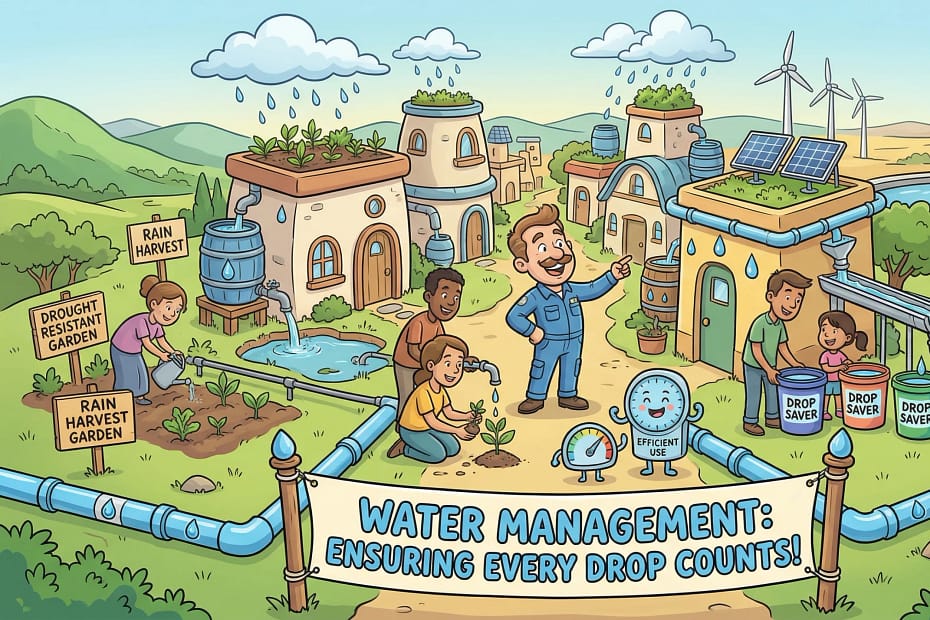
Water is one of our most precious resources, yet managing it effectively seems like a puzzle at times. With growing populations and increased demand, traditional methods of water management often fall short. That’s where artificial intelligence comes into play. By integrating AI, we can tackle some of the most stubborn challenges in water distribution and conservation, ensuring that every drop counts.
AI isn’t just about powering gadgets and apps; it can revolutionize how we manage our water resources too. Imagine AI systems that learn and adapt to changes in water availability, predicting when and where water shortages might hit. These technologies can adjust resource allocation automatically, helping both urban planners and farmers to make smarter decisions.
Several real-world examples illustrate AI’s transformative impact on water management. For instance, smart irrigation systems powered by AI have been deployed in agriculture to determine just the right amount of water crops need. This not only conserves water but also boosts crop yield and health.
Predictive analysis is another area where AI shines. It can foresee water demand and anomalies in supply, allowing for proactive management strategies. Imagine being able to detect a leak in a vast water distribution network before it becomes a major issue. AI’s capability in monitoring and providing data-driven insights makes such precision possible.
AI doesn’t just help with current distribution but also fortifies planning for the future. It boosts efficiency and drives down costs, making sustainable water management more achievable than ever. By embracing AI, we’re taking significant steps towards a future where water scarcity is less of a threat, and our natural resources are used wisely.
Real-World Applications? Success Stories and Case Studies
AI-driven solutions in water management aren’t just theoretical; they’re making waves in the real world. Take irrigation systems in agriculture, for example. With AI, farmers can now implement precision irrigation, where water usage is calculated to the exact needs of the crop. This approach not only conserves water but also enhances crop quality, leading to higher yields.
Urban areas are bustling hives of activity where water demand can fluctuate wildly. AI steps in here by providing accurate forecasting models. These models help cities plan their water usage efficiently, ensuring that supplies are optimized without waste. With the demand forecasted ahead of time, cities can avoid water shortages and conserve this critical resource.
Flood prediction is another crucial area where AI is proving invaluable. By analyzing vast sets of climatic and geographical data, AI systems can predict flood events earlier and more accurately than traditional methods. This predictive power allows communities to prepare better, potentially saving lives and reducing property damage.
Wastewater treatment is often an afterthought, but AI is working its magic here too. Systems powered by artificial intelligence are achieving remarkable results by optimizing treatment processes and ensuring water purification is done effectively. This leads to cleaner waterways and safer water to be returned to the environment.
The ripple effects of these innovations are evident. By sharing these AI-driven success stories, we can inspire more sectors to adopt similar technologies, fostering a more efficient and sustainable approach to managing our water resources.
The Ethics and Challenges of AI in Water Management
Implementing AI in water management isn’t just about the technology; it carries with it a host of ethical considerations and potential challenges. Privacy issues often top the list, since AI relies on large datasets to function effectively. These datasets can include sensitive information, which must be handled with care to maintain public trust.
Reliability is another pressing concern. AI systems can falter, and when they’re involved in critical infrastructure like water supply, the stakes are high. Ensuring these systems are robust and have fail-safes in place is essential. Organizations must question and verify the dependability of their AI solutions continually, to ensure reliability and performance even in unexpected situations.
Ethics in AI extends beyond reliability and privacy. It involves fairness, accountability, and transparency. Water resources are vital and should be managed equitably, with AI implementing policies that do not disproportionately affect any group. Organizations must be upfront about how they use AI and remain accountable for its outcomes.
Implementing these AI solutions can sometimes meet with resistance, especially if stakeholders feel excluded. This calls for transparent communication and engagement with the community. Getting buy-in from local communities and stakeholders can smooth the path for AI integration in water management systems, ensuring solutions are more readily accepted and adopted.
The challenges are real but so are the opportunities. By addressing these ethical issues thoughtfully, AI technologies can be harnessed to provide fair, reliable, and efficient solutions to water management, paving the way for a smarter future.
The Future of AI-Driven Water Innovations
AI continues to evolve, and its potential to revolutionize water management is just beginning. New technologies are emerging that promise to enhance water governance further, making sustainability more attainable than ever. AI’s integration with IoT stands out as a particularly exciting development. By connecting smart devices across water systems, real-time data can help fine-tune resource management with a level of precision previously unimaginable.
Looking ahead, AI is set to play an even more pivotal role in crafting sustainable water policies. Predictive software will not only anticipate future needs but also help design strategies that mitigate environmental impact. This forward-thinking approach ensures that we meet today’s needs without compromising future generations’ ability to meet theirs.
Investment in AI for water management is another area ripe with opportunity. As technology progresses, so does the potential for strategic partnerships. Businesses and governments alike are recognizing the importance of investing in AI-driven solutions to tackle water challenges head-on. These investments not only drive innovation but also highlight a commitment to building resilient infrastructures against climate change.
The road to fully integrating AI in water management is paved with promise, as challenges present themselves, so do innovative solutions. By fostering a spirit of collaboration and commitment to ethical practices, AI can lead the charge toward a future where water is not only managed effectively but also appreciated as a vital resource. This journey involves balancing innovation with regulation to harness AI’s full potential responsibly.
Water Levels
Offers guidelines for water level predictions with user data integration, focusing on accuracy and accessibility.

Thank you for questions, shares and comments!
Share your thoughts or questions in the comments below!