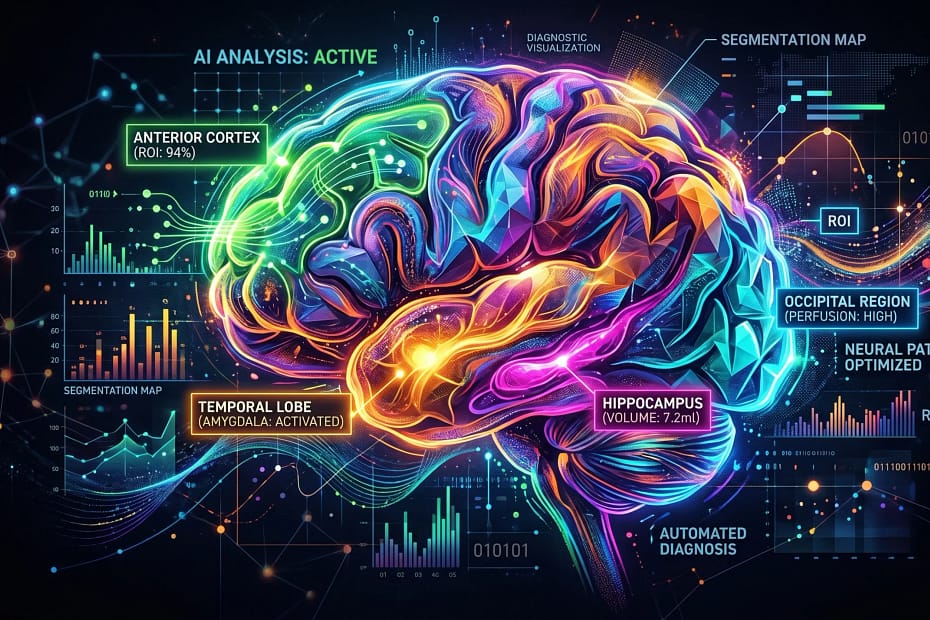
AI powered medical imaging analysis platforms are changing how clinicians interpret scans and make important decisions for their patients. Unlike the old days of studying blurry films by eye, modern imaging technology uses machine learning to spot things like tumors, infections, or even subtle changes that would otherwise go unnoticed on a busy day. Medical professionals can often diagnose conditions earlier and more accurately, giving patients better outcomes and smoothing workflows in hospitals and clinics. In this article, I’m going to share what makes these AI platforms work, which features are worth checking out, and some practical ideas to consider if you’re planning to bring this technology into your practice.
What Is an AI powered Medical Imaging Analysis Platform?
AI powered medical imaging analysis platforms are software tools that use artificial intelligence to review and interpret digital medical images like X-rays, CT scans, MRIs, and ultrasounds. Instead of just displaying images for radiologists to examine, these platforms highlight suspicious patterns, measure features, and sometimes even suggest possible diagnoses or next steps. AI tools can quickly process massive medical datasets, which is hugely helpful in busy medical centers or for screening lots of people at once.
The rapid expansion of AI in this field comes from big improvements in deep learning alongside the growth of enormous medical imaging archives. Companies train their algorithms with carefully labeled image sets, teaching them to spot features like lung nodules or tiny brain bleeds by example. This tech isn’t about taking radiologists out of the loop, but helping them work faster, avoid fatigue, and catch findings that might otherwise slip through. AI can also help standardize reports, leading to more consistent care from one hospital to the next.
Core Features of the Top AI Medical Imaging Platforms
Choosing the right platform can feel overwhelming because each solution comes with its own features. Here’s what I find most helpful to look for when considering AI imaging tech for healthcare:
- Automated Detection: Algorithms flag potential issues, highlight areas of interest, and sometimes even count findings—like tallying lung nodules in a chest CT scan.
- Segmentation and Annotation Tools: These tools precisely outline tumors, organs, or other structures. They help plan surgeries, track disease progression, and make reports more consistent.
- Integration with PACS and EHRs: The best platforms work seamlessly with hospital record systems, making the transition much smoother. Streamlined data flow is essential for busy workflows.
- Decision Support: Some platforms offer risk scoring, follow-up suggestions, or even triage tools, helping clinicians focus on urgent cases first.
- Userfriendly Interface: A solid visual dashboard, clear alerts, and easy overlays make these tools welcoming for all expertise levels in healthcare.
The Current Landscape With Trending AI Medical Imaging Platforms
Several companies have become key players, offering specialized or allinone solutions. While I can’t list every name, here are a few that are widely respected and often mentioned as leaders in this technology:
- Aidoc: Focuses on acute radiology findings, like stroke detection, pulmonary embolism, and brain bleeds. Their alerts help speed up reviews for urgent cases.
- Zebra Medical Vision: Delivers a full imaging analytics suite for many organs and conditions, from bone health to cardiovascular risk.
- Arterys: Offers cloudbased image processing for MRI, CT, and ultrasound; they’re especially good for cardiovascular and oncology needs.
- Viz.ai: Known for stroke detection and care coordination, helping teams save precious minutes during emergencies.
- Qure.ai: Creates AI solutions for chest X-ray, head CT, and more, with an emphasis on being accessible for both hospitals and remote care settings.
Each company shines in different ways, so comparisons really depend on your priorities—for example, whether you need full automation, advanced analysis, or an adaptable system that can handle all sorts of imaging exams.
Get Started? How AI Platforms Work in Practice
Bringing AI into standard imaging routines doesn’t have to be stressful. Here’s a snapshot of how things usually go in a modern hospital:
- Scans Are Captured: Traditional scanners (MRI, CT, X-ray, etc.) send their images into the hospital’s PACS (Picture Archiving and Communication System).
- AI Works in the Background: The platform automatically analyzes incoming images, flagging studies where there might be issues. This usually takes just seconds or a couple minutes.
- Radiologist Review: Radiologists get alerts, see heatmaps, or measured data added to the images. They still make the final call, but the AI platform acts like a second set of eyes.
- Integrated Reporting: Some platforms can even draft reports or autofill measurement fields. Radiologists can edit these before signing off, which cuts down paperwork time.
- Outcome Tracking: Many platforms help follow patients over time, allowing for quality improvement and helping train newer AI models with real results.
Doctors and IT teams constantly mention the importance of a platform that’s reliable and fits into existing workflows. Added steps or tricky logins often slow people down, so good design is a must.
What to Keep in Mind Before Picking an AI Imaging Platform
Not every healthcare environment has the same needs, so choosing a platform involves some homework. Here are some points to weigh:
- Data Privacy and Compliance: Make sure the platform follows all the right rules (like HIPAA in the US or GDPR in Europe). Proper handling of patient data is crucial, and cloudbased services should use strong encryption and get their security certified.
- Clinical Validation: See if the algorithms have been tested with realworld patients and published studies. Strong clinical validation means added confidence that the system genuinely works in practice.
- Regulatory Approval: FDA clearance (or CE marking in Europe) means the platform is approved for actual clinical use—not just research labs.
- Customization and Flexibility: Some organizations want more ways to adjust workflows or settings, while others prefer something that works straight away. Solid vendor support and training should always be factored in.
- Cost and Scalability: Look at the pricing model, upgrade path, and IT requirements. Think not only about today, but how your needs might shift in the next few years.
Data Security
Data breaches in healthcare can have serious consequences, so sturdy security measures come first. Leading platforms use strong encryption, do thorough audits, and keep strict controls over who gets access. Hospitals may even consider local, onpremises deployment if cloud hosting seems too risky for their needs.
Clinical Validation and Peer Review
AI algorithms are checked through a process called validation, where companies run their software on huge anonymized image sets and compare the results with interpretations from experienced radiologists. Look for proof in medical journals or on company websites to see if the platform is mentioned in published clinical studies.
Integration and Workflow Fit
No one wants to make things harder for radiologists. Good AI solutions blend directly into existing PACS viewers, offer single signon, and limit program switching. IT teams usually attend demos to see firsthand if integration will actually be smooth.
Advanced Tips to Make the Most of AI Imaging in Healthcare
Once your platform is running, here are a few ways to squeeze the most benefit out of it:
Regularly Update Algorithms:
Vendors improve their models as they get more data and feedback. Staying on top of updates ensures you’re always using the most accurate, up-to-date tools.
Invest in Staff Training:
Even the best AI tools are only as good as people who use them. Quick training, handy guides, and regular updates can make everyone more comfortable—and confident—working with new tech.
Track Outcomes and Performance:
Many platforms let you log trends, spot missed cases or workflow snags. Constantly reviewing this data allows you to fine-tune your processes and highlight where extra support or learning may be needed.
Real-world Applications and Examples
AI isn’t just a futuristic concept—it’s already helping patients every day. Here are some standouts:
- Stroke Detection: Fast identification of blockages or bleeds in emergency CT scans means quicker action for stroke teams under pressure. Both Viz.ai and Aidoc are noted for these features.
- Oncology: Early detection of small lung nodules, breast changes, or prostate cancer helps doctors decide on quick follow-up and plan treatment. Companies like Zebra Medical and Arterys provide detailed 3D modeling for tracking tumors.
- Chest X-ray Screening: AI tools help flag pneumonia, tuberculosis, or COVID-19 features, especially useful in clinics with just a few radiologists. Qure.ai’s chest X-ray solution is used around the world, in all types of healthcare settings.

Frequently Asked Questions
Here are a few common questions clinicians and administrators often have when looking into these platforms:
Question: Do AI imaging platforms replace human radiologists?
Answer: AI tools are designed to help radiologists, not take their place. They catch findings fast and cut down on routine tasks, but all important decisions are still made by trained professionals.
Question: What kinds of imaging work best with AI analysis?
Answer: At the moment, CT, MRI, and X-ray benefit most, especially for large image volumes or tiny details that can be easy to miss with just the human eye.
Question: How much training do you need to use these AI platforms?
Answer: Most systems are built for quick onboarding. Usually, just a few hours of hands-on practice and some ongoing vendor support is all that’s required.
Question: Can you rely 100% on AI imaging results?
Answer: These platforms are very precise, especially with common conditions, but can still miss rare or quirky findings. Always use them as a tool—not a substitute—for real clinical judgment.
AI powered medical imaging analysis platforms are fast becoming mainstream in modern healthcare. With sharper diagnostics and smarter workflows, clinicians now have better ways to work efficiently and raise their level of patient care. Taking time for proper setup and ongoing staff training helps get the most out of this exciting technology as it keeps growing.
The connector GPT
Your Personal Web of Ideas – Link what you think. The Connector maps the hidden threads between your ideas, past content, projects, and patterns. It links what you think, so you can think beyond.
How to build your own website with affiliate marketing?
Ready to start your own website and share your passion with the world?
Sign Up with Wealthy Affiliate and unlock step-by-step training to build your online presence just like I did!
Let us find out 🎓
Thank you for questions, shares and comments!
Share your thoughts or questions in the comments below!