Artists And AI Collaborate In Harmony
🎨 Once Upon a Time in the Gallery of Tomorrow… or… How Artists and AI Became Frenemies (Then Besties)
An entertaining salon conversation among art history buffs who sneaked into a tech conference. Think dry wit, clever metaphors, and concrete examples that make even skeptical philosophers chuckle.
Picture, if you will, an art opening in a grand old museum. Heavy velvet curtains. Whispered critiques. And in the corner… a robot holding a wine glass. No, really.
Art used to be a solemn affair — paint on canvas, chisel on marble, the occasional interpretive dance left to grad students. Then AI strolled in, like that unpredictable cousin at family gatherings, armed with algorithms instead of appetizers, ready to shake things up. Suddenly, creativity looked less like a solitary genius brooding over a canvas and more like a coffee shop jam session where everyone(including the machine) riffs on the tune.
🤖 Mario Klingemann and the Portraits That Whisper Back
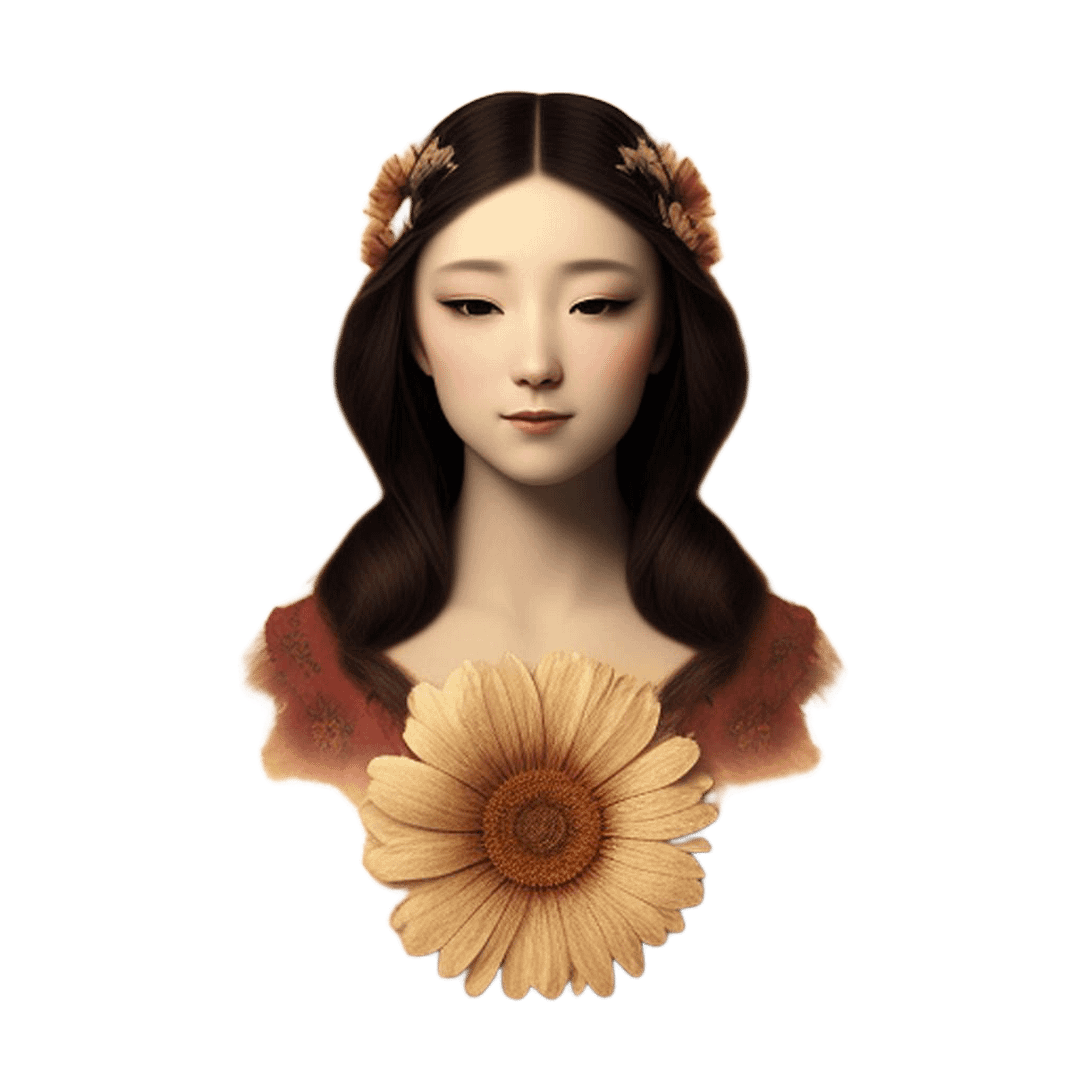
Take the mischievous example of Mario Klingemann, a wizard of algorithms who makes AI paint portraits that feel like Dali and Borges had a surreal baby. Klingemann’s creations don’t just hang on walls — they hint at secret lives, like characters who’d be just as comfortable debating Kant as sipping espresso on the Seine.
These artists aren’t docile puppeteers of code. They’re explorers, sending their digital companions into creative jungles where traditional brushes dare not wander. It’s less Frankenstein’s monster and more Picasso with a GPU.
💰 When an Auction Hammer Met a Hard Drive
And then there’s the marketplace — where art lovers now whisper things like “the algorithm really captures the ineffable angst of modernity.” One AI‑generated piece once sold for over $400,000, making collectors clutch their pearls and check their portfolios. This wasn’t a fluke — it was a declaration:
“Dear humans, we come in peace. Also: buy art.”
Before long, even the snootiest curators started asking, “Is this artist human? And does it need a pension plan?”
🛠️ Michelangelo + AI: A Renaissance Buddy Comedy
Imagine Michelangelo with an AI assistant. Not a sassy sidekick, but a pixel‑perfect apprentice that predicts the next chisel strike. “David looks good, but how about more shadows and existential dread?” the AI might suggest. Michelangelo might squint, nod, and whisper back, “Touché.”
That’s the vibe today: AI isn’t replacing genius — it’s helping genius procrastinate less and explore what if faster than you can say “Renaissance remix.”
🎶 Beats, Bots, and Beautiful Noise
In music studios around the world, AI is that unreasonably talented friend who arrives with a synth pad under one arm and a confused classical composer under the other. Musicians like Grimes have turned collaboration with machines into an art form — producing soundscapes that feel like your dreams took a baroque detour through an arcade.
Live shows are especially surreal. Imagine AI watching a crowd, nodding like a DJ with PhD in crowd psychology, and altering the setlist on the fly. You think your playlist is curated? AI’s like:
“Sure, but have you felt a fractal‑infused minor chord transition while pondering the universe at 2 a.m.?”
And yes, there’s the ever‑lovely question of copyright:
When a machine births a melody, who holds the rights? The programmer? The user? The toaster in the corner that keeps beeping?
It’s messy — but also kind of thrilling.
📚 1 the Road and the Literary Machine
Then there’s literature. Remember “1 the Road,” the AI‑assisted novel that wandered off the beaten narrative path like an author who discovered espresso and existentialism? It’s an example of how machines can weave sentences that feel eerily human — like they read all the classics and then added a glitchy, poetic wink.
For writers stuck in the horror known as writer’s block, AI is like a caffeinated muse that never sleeps, never judges, and always has another plot twist up its sleeve.
Some purists balk: “Can a machine truly understand nuance?” Sure, say the AI skeptics. But the machine might clap back:
“I understand nuance — my whole training set was tortured poets and complicated rom‑com dialogues.”
🖼️ When Picasso Met Python
And in the galleries? Algorithms and artists now tango in pixels and paint. Robbie Barrat, another code‑smith of visual wonder, uses neural networks to spawn art that’s both baffling and breathtaking — like if your subconscious went to art school and majored in dream logic.
Some old‑school critics clutch their cravats and mutter about “originality.” But here’s the twist: AI can’t feel aesthetic experienceany more than a brush can. It’s the artist — human, weird, brilliant — who infuses the work with soul. The AI is the paint brush that sometimes paints back.
🧭 Final Thought for the Artful Intellect
So, to anyone who still thinks AI will strip art of its soul, consider this:
A tool doesn’t define the artist — the artist defines how the tool sings.
AI doesn’t replace intuition. It amplifies it, remixing centuries of human creativity into new constellations. Like a witty friend at dinner, it challenges you, surprises you, and might occasionally steal the last canapé — but you’ll laugh about it later.
The future of art isn’t human or machine.
It’s human with machine — a conversation, a dance, a riff on a riff that feels like the next logical step in a grand, delightful creative experiment.
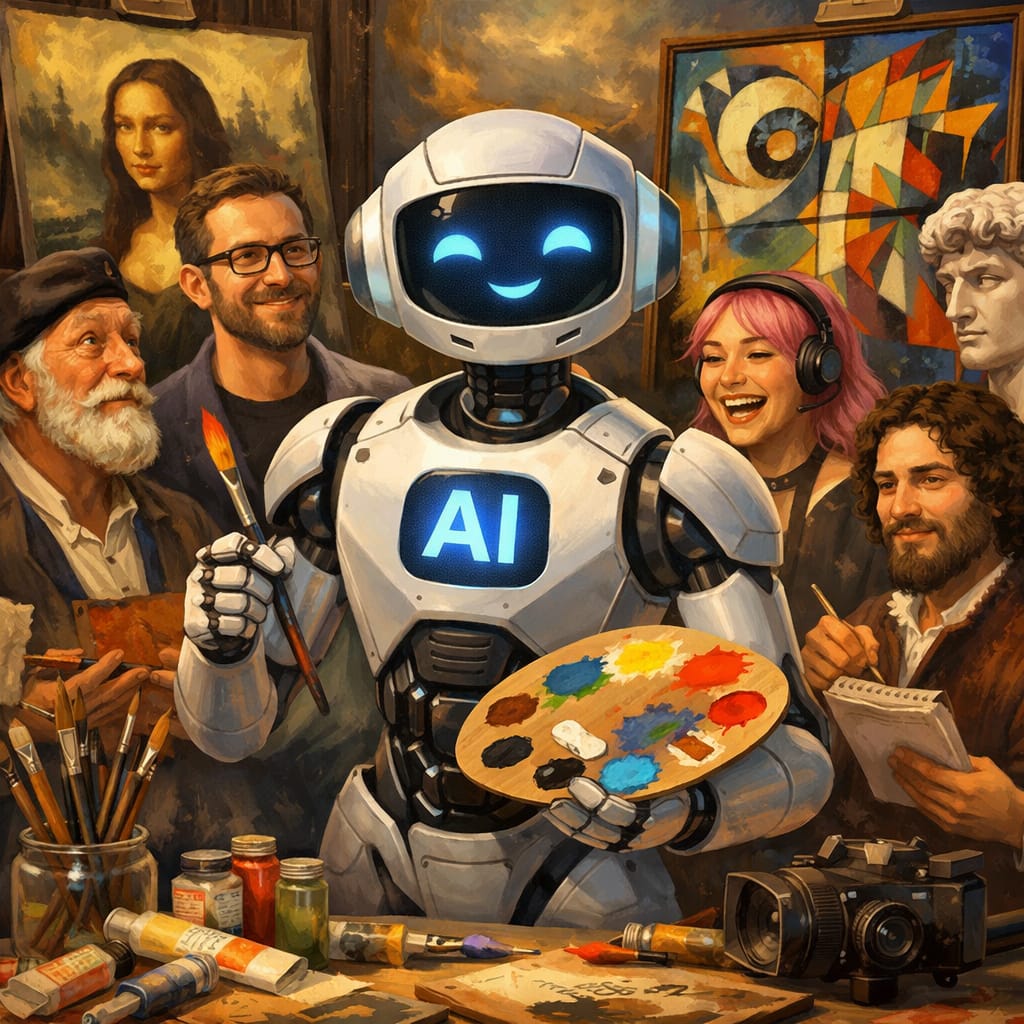
Made with MIB painter GPT
Art Curator
Your GPT Guide in art selection, exhibition design, and collection care.
Thank you for questions, shares and comments!
Share your thoughts or questions in the comments below!
How to build your own website with affiliate marketing?
Ready to start your own website and share your passion with the world?
Sign Up with Wealthy Affiliate and unlock step-by-step training to build your online presence just like I did!
Let us find out 🎓