Top AI Social Impact Projects Transforming Communities
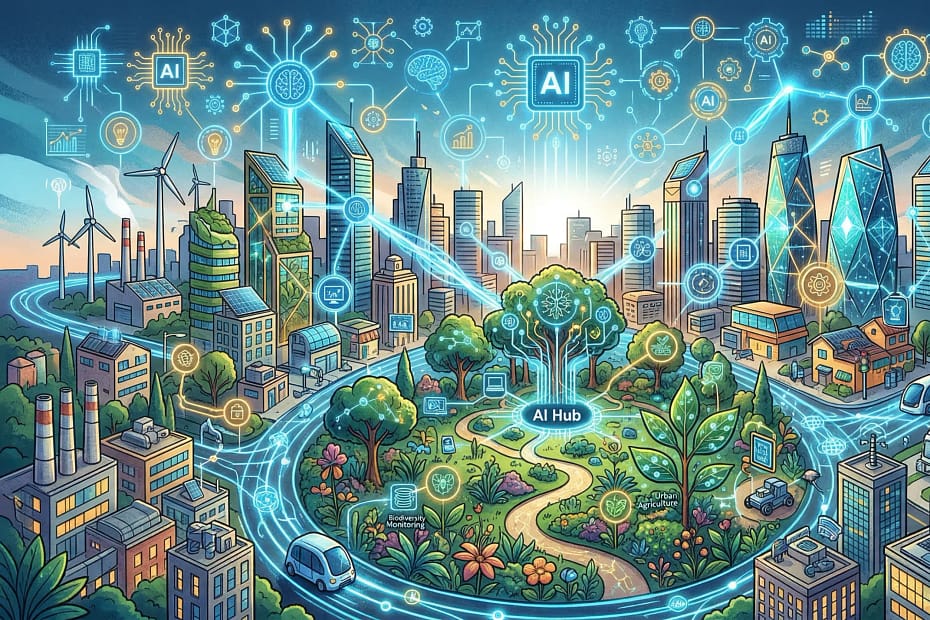
Artificial intelligence (AI) is becoming a key player in many community projects, and I’m noticing how it helps real people tackle everyday challenges. From making healthcare easier to get, to supporting the environment, AI-powered projects are driving positive changes that build stronger, more connected communities. I’d like to highlight some of the most eye-catching AI social impact projects that are reshaping neighborhoods, backing up vulnerable groups, and building more inclusive societies where everyone gets a fair shot.
Why AI Is Making a Difference in Social Good Initiatives
AI’s skill at quickly processing information and spotting patterns makes it an ideal fit for dealing with tough social problems. Nonprofits, local governments, and grassroots groups use AI to solve issues they couldn’t tackle with old-school methods alone. For so many people I’ve spoken with working in these fields, AI has unlocked doors to services and resources they just couldn’t reach before. From what I’ve seen, AI works best when it backs up community-led ideas and is built hand-in-hand with the people who need it the most.
At the moment, I’ve noticed that AI social impact projects are especially common in fields like healthcare, disaster response, education, public safety, and environmental protection. The projects that truly make a splash are the ones putting the voices of community members at the center, making sure technology genuinely addresses the problems people care about. The McKinsey Global Institute reported that AI could help pull more than 250 million people out of poverty by supporting programs that boost food distribution, healthcare, and education (McKinsey AI for Social Good).
AI Social Impact Projects Making Real Changes
Certain AI-powered community projects really show what’s possible. Here are a few examples that, in my opinion, capture just how creative and practical these solutions are:
- AI in Affordable Healthcare: Projects such as Ada Health and Babylon Health offer AI chatbots that screen symptoms and connect people to health advice—this is a great help in places where seeing a doctor can be tough. For folks in rural areas or with limited mobility, I’ve noticed it makes a huge difference by bringing help closer to home.
- Disaster Preparedness and Relief: The Global Disaster Alert and Coordination System (GDACS) uses AI to monitor disasters in real time. I’ve seen firsthand how volunteers in areas hit by floods can organize quickly thanks to AI-driven alerts and data maps, speeding up the delivery of aid.
- Education for All: Tools like Rise, developed by TalkingPoints, supply AI-powered multilingual support for teachers and families. I’ve heard from educators that these language tools keep families engaged in their kids’ learning, even when English isn’t spoken at home.
- Supporting Mental Health: Wysa and Woebot are AI-based apps where people can talk about feelings and get mental health support any time of day. Some users tell me these tools help them feel less alone and give practical ways to deal with stress.
- Protecting the Environment: Rainforest Connection’s AI-powered sensors catch illegal logging in forests. I read about how this system instantly alerts rangers using sound pattern recognition, stopping deforestation before it gets out of hand.
How AI Projects Are Planned with Communities
Building an AI project that actually delivers for a community always starts with listening close to what people want and need. From my own work, I know that projects perform best when locals, tech experts, and social service providers team up right from the jump. That means understanding cultural traditions, making sure privacy is protected, and grasping the special challenges people face, whether they live downtown or in the countryside.
Smart community-focused methods I’ve respected include:
- Conducting surveys and group interviews to listen to everyone’s main concerns and hopes.
- Partnering with trusted local groups that already have strong bonds with residents.
- Offering training so locals can actively test and shape the AI tools.
- I notice that projects built this way stick around longer and reach deeper. When people see they’re helping guide the new technology, they get more invested and are much more likely to keep using these tools over time.
Get Started? How AI Social Impact Projects Work
Starting or joining an AI project in a community might seem a little intimidating, but having a simple roadmap keeps things on track. Here are some steps I suggest based on what I’ve watched work well:
- Identify a Specific Challenge: Zoom in on a single pressing problem, like food insecurity or public safety.
- Involve Local Experts: Use knowledge from nearby professionals—social workers, teachers, health providers—from the start.
- Build Simple Tools: Make sure AI apps or sites are easy for everyone to use and are available in local languages.
- Pilot and Gather Feedback: Roll out your tool to a small group first and really listen to their feedback. Tweak the tech based on what’s working—and what’s not.
- Track and Report Results: Set clear goals, like the number of families who received help or the amount of wildlife protected. Share updates with everyone, so people see real change happening.
This hands-on approach keeps projects grounded and makes it more likely they’ll catch on, get support, and grow in the future.
Challenges AI Projects in Communities Might Face
Even with the best planning, AI projects often run into roadblocks. In conversations with people on the ground, here are some issues that tend to pop up the most:
- Privacy Concerns: Folks get nervous about sharing personal information, especially in tight-knit communities. It’s crucial to be up front about which data is used and how it’s protected.
- Lack of Technology Access: Not everyone has reliable internet or devices. Some projects end up adding free WiFi hotspots or loaning out devices, but this brings extra steps and costs.
- Algorithm Biases: AI systems learn from data—sometimes that data has built-in biases. Regular checks and diverse development teams are key to creating fair tools.
- Language Challenges: If AI tools only use mainstream languages, people may be excluded. That’s why, whenever possible, multilingual support is a must-have.
Leaders who stay open and keep connected with the people they’re serving can manage many of these issues as they arise. Being transparent and ready to solve problems as a team goes a long way toward building credibility and long-term success.
Real-Life Example? AI for Predicting Urban Heat Risk
A standout project I always suggest looking at is what the city of Los Angeles did alongside AI researchers to map “urban heat islands.” Using satellites and smart algorithms, they pinpointed neighborhoods at risk from extreme heat. The city responded by planting more trees for shade and alerting residents during dangerous weather. Locals I spoke with felt more prepared for risks, while city agencies could make smarter decisions based on data.
Advanced Insights? What Makes AI Social Impact Projects Work?
From what I’ve witnessed, projects that keep evolving and are quick to change based on real feedback work best in the long run. These are some habits I see making the biggest difference:
- Community Training: Giving people straightforward training helps everyone feel comfortable using unfamiliar, AI-powered tools.
- Ongoing Feedback Loops: Including built-in surveys and feedback at regular intervals lets teams fix problems and improve quickly.
- Open Data Sharing: Making anonymized project results public helps other communities learn and build on what works.
- Partnering with Skilled Tech Teams: Collaborating with experienced developers or nonprofit partners can help scale up ideas and boost reliability.
These strategies make sure projects stay on track, stay safe, and really work for the communities they target. Plus, having a plan for steady support and funding ensures projects don’t lose steam after the buzz of an initial launch wears off.
Common Questions About AI Social Impact Projects
People regularly ask me basic questions about how to get involved with AI for social good. Here are some of the most frequent ones I get, with practical answers from my own experiences:
Question: How do I make sure an AI project includes everyone in my community?
Answer: Bring on community leaders and translators from the get-go, and always test out your idea with people from diverse backgrounds. Keep seeking feedback and fine-tune your solution over time.
Question: Are there funding opportunities for local AI social projects?
Answer: Definitely. Organizations such as the AI for Good Foundation, Google.org, and the World Bank offer grant programs aimed at AI-powered social impact work. Partnering with a local university can also bring in technical help and financial support.
Question: Can small communities use AI, or is it just for big cities?
Answer: Small communities stand to benefit a lot, especially with simple tools that focus on things people care about. Even basic solutions, like text alerts for emergencies or neighborhood data dashboards, can make a major difference.
Start or Support an AI Social Impact Project
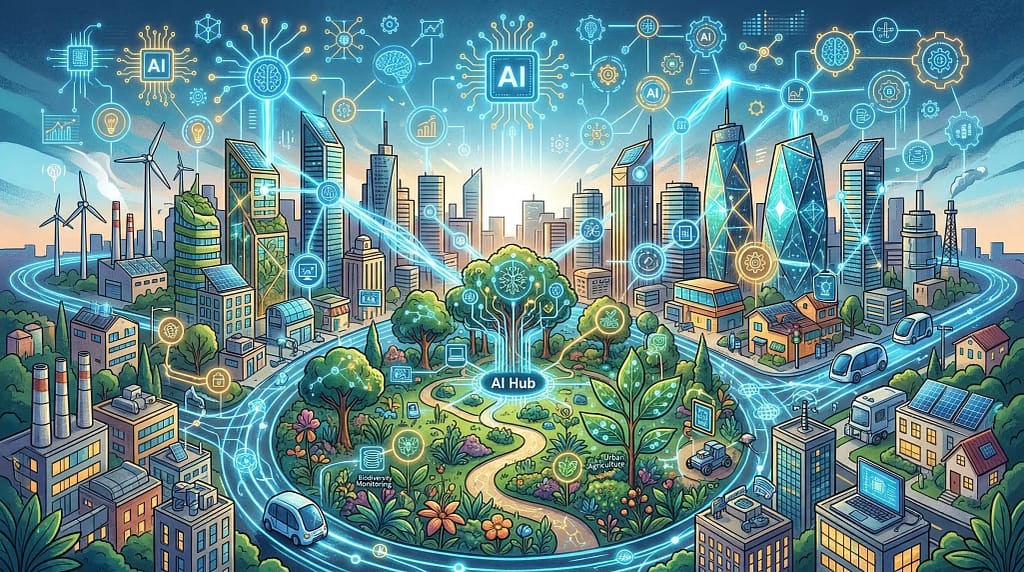
If you want to help or launch an AI-powered project in your area, think about the causes that matter most to you or your community. Reach out to local organizations or search for volunteer-run projects through initiatives like AI for Social Good. I’ve learned that being curious and open-minded is usually the first step toward sparking major change. You don’t have to be a tech genius to lend a hand—just be willing to learn and work as a team, and you can help bring real solutions to challenges your community faces.
Air Pollution GPT
Real-time air quality insights, forecasts, and interactive health alerts.
Thank you for questions, shares and comments!
Share your thoughts or questions in the comments below!