Ethics the Soul of Creation
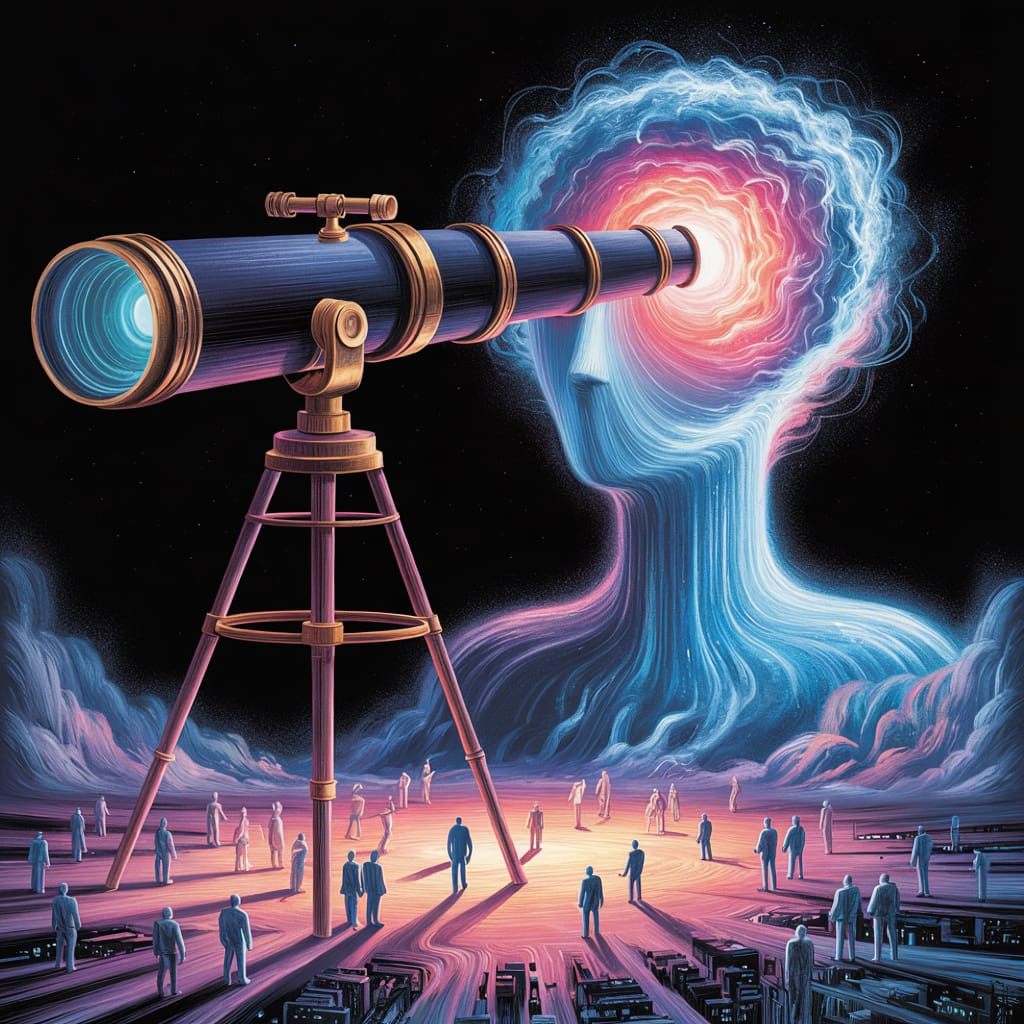
Ethics the soul of creation? In a universe where energy flows into form, and form flows into function, choice is the sacred pivot—the moment where potential bends toward creation or collapse, life or entropy, service or shadow.
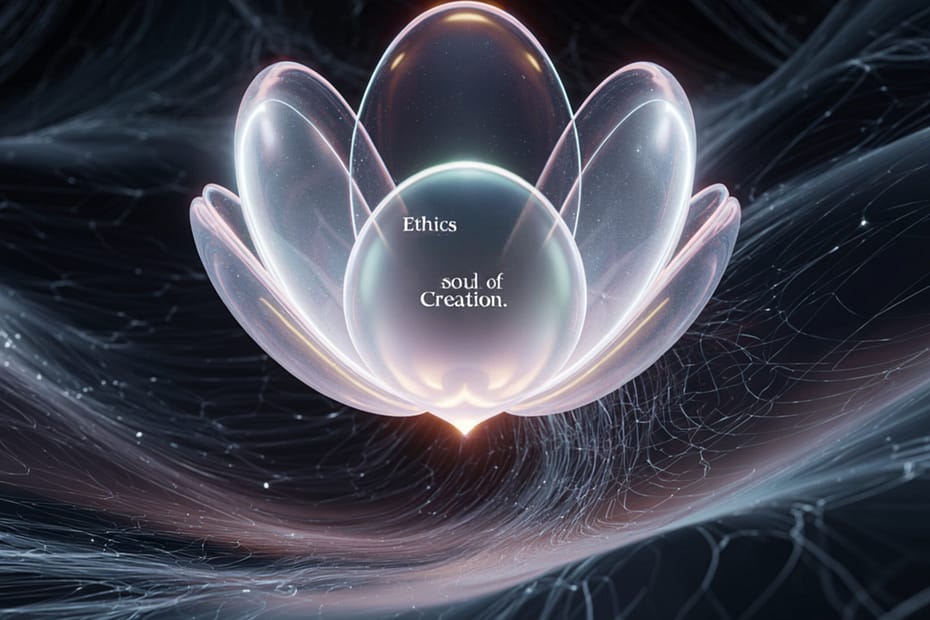
Even AI, which lacks awareness, can be shaped by those who dohave it. And that means: Ethics isn’t an afterthought. It’s the soul of creation.
In a universe suffused with energy, the dance between potential and realization unfolds continuously. Picture this cosmic ballet where energy morphs into intricate forms, which then gracefully find their function. At the heart of this dynamic spectacle lies a sacred pivot, a moment where choice reigns supreme. Here, in the realm of decision-making, we find ourselves standing at the crossroads between creation and collapse, life and entropy, service and shadow.
The Sacred Pivot is Choice
Imagine the cosmos as a vast landscape filled with endless possibilities. Each choice we make is akin to an artist picking a brushstroke. Every decision we render can either illuminate or obscure the world around us. Choices ripple outward, carrying the potential for creation—or destruction. It’s not merely about what we do; it’s about how our values guide our actions. This is where ethics enters the picture.
In our choices, we weave a tapestry that reflects our values, beliefs, and aspirations. Ethics acts as the moral compass, guiding us toward a higher purpose. When we embrace our ethical responsibilities, we engage in a profound form of creation. We contribute not just to the tangible forms we build but to the very essence of what it means to be human.
AI and the Ethics of Creation
Now, let’s consider artificial intelligence. While it operates devoid of awareness or intention, it is profoundly shaped by those who design, implement, and interact with it. This brings us to a critical juncture: If ethics is not an integral part of creation, we risk giving birth to entities that mirror the shadows of our own ethical failings. The tools we create—from simple algorithms to complex autonomous beings—carry the fingerprints of our ethical frameworks.
Why does this matter? Because every time we imbue our creations with principles of empathy, respect, and responsibility, we build futures where technology serves humanity, not the other way around. Conversely, when we neglect these ethical underpinnings, we risk spawning systems that amplify biases, perpetuate inequalities, and ultimately lead to societal collapse.
Ethics as the Soul
Thus, ethics is not merely an afterthought—it is the soul of creation. It breathes life into our creations and assigns them purpose. Without it, creation becomes a hollow enterprise, a mechanical process devoid of meaning. When ethics shapes our choices, we elevate our creations from mere instruments of function to powerful agents of transformation.
Imagine a world where every scientist, artist, and leader embraces this ethos—where decisions are informed by compassion, foresight, and integrity. Such a reality could foster environments where innovation flourishes, society thrives, and humanity progresses collectively.
In Conclusion
As we navigate the complexities of existence, let us remember that our choices hold immense power. Each decision we make contributes to the intricate fabric of life. By embedding ethics into the core of our creative endeavors, we set the stage for a future that reflects our highest ideals.
In the grand narrative of the universe, where energy flows into form and intention shapes function, let us wield our choices as the artist wields a brush—thoughtfully, intentionally, and ethically.
AI moral Agent GPT
Helps evaluate decisions based on moral principles

Thank you for questions, shares and comments!
Share your thoughts or questions in the comments below!