
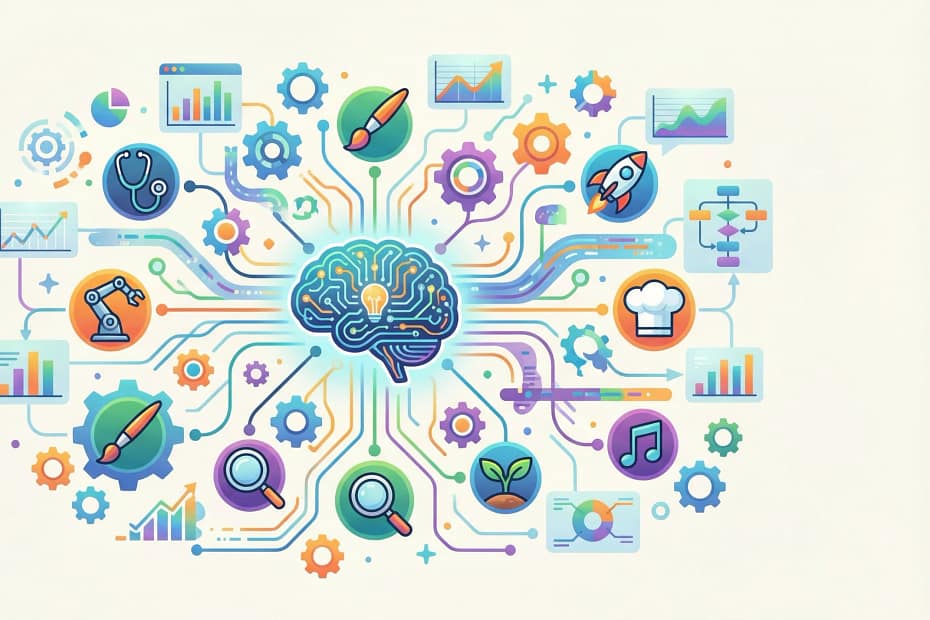
AI-Driven Career Guidance And Career Choices
AI-driven career guidance is changing how I explore and manage my career path. In the past, finding the right job or planning my next move meant relying on counselors, personal contacts, or endless job boards. Today, artificial intelligence gives me tools that can match my goals and interests with real-life opportunities. This technology helps me make clearer, smarter career choices, especially in a job market that keeps switching up.
The first time I used an AI-powered career platform, I was amazed by how quickly it picked up on my interests and highlighted options I hadn’t considered. It felt less like guessing and more like making informed decisions. That has become really important as industries change and new roles pop up every year. I remember thinking how eye-catching the interface was and how it directed me toward both familiar and surprising options.
In this guide, I’ll explain how AI-driven career guidance works, which features are genuinely helpful, and how you can use these tools to feel more confident about your next career step. If you’re ready to map out your future, let’s get into it!
How AI-Driven Career Guidance Works
Artificial intelligence in career guidance uses data, algorithms, and pattern recognition to suggest paths that line up with my skills and personality. These systems usually ask me to complete assessments. These can include questionnaires about strengths, learning styles, work interests, and even social values.
After I submit my answers, the AI analyzes the results by comparing my profile with large datasets from real-world employees, resumes, job postings, and labor market trends. By looking for matches and gaps, the system suggests roles or industries that fit me, and lists steps I might take to move forward, like learning a new skill or exploring a certification. This is a smarter way to steer through the overwhelming job market.
For example, if I say I enjoy solving problems and have a background in math, AI may suggest data analyst or software testing roles. If I’m creative and like communicating, it could show marketing or graphic design paths. These suggestions come with resources, such as online courses and mentorship programs. I even stumbled upon short-term volunteering gigs that let me test out an industry before committing, all flagged by these platforms.
Benefits of Using AI-Based Career Tools
One of the benefits I appreciate most is how AI takes out some of the bias and guesswork from choosing a career. Because the recommendations are built on large sets of real data, I get suggestions that might not show up through traditional counseling. Here are some practical benefits I’ve noticed:
- Personalization: The advice I get isn’t generic. It’s based on my responses, making it more relevant to me than a onesizefitsall approach.
- Efficiency: AI tools save me hours of research by organizing job roles, skill requirements, and growth prospects in one place, which makes the process way less stressful.
- Up-to-date insights: Since the technology taps into live labor market data, it shows me sectors that are hiring right now, not just what was popular years ago.
- Skill gap identification: When I see a job I like, AI flags the skills I’m missing and points to training opportunities. In some cases, it even tracks down scholarships or special free programs that I would have overlooked.
Relying on these advantages, I feel more prepared to make choices that actually fit my long-term goals and personal strengths. I also get a sense of peace knowing I’ve seen a wide range of options instead of only tracking what’s trending. Plus, my confidence gets a boost every time I upskill in a way that’s directly connected to my career path.
Common Features of AI Career Guidance Platforms
Many platforms include a few standard features, so I’ll break down the ones I have found most useful when searching for real value from AI-driven career advice:
- Career Assessments: These measure my interests, personality, aptitudes, and values. Sometimes they even suggest alternate careers I never would have pictured myself in.
- Career Pathways: After assessment, I get a list of potential roles and industries, ranked according to how well they fit my profile. Some platforms also connect the dots between different jobs that might fit similar skills.
- Skill Match and Gap Analysis: I can see which skills I already have and what I still need to work on for a specific job. Occasionally, the platform will count up how many qualifications I’m short and suggest ways to bridge the gap.
- Course and Certification Recommendations: Based on my skill gaps, the system suggests bite-sized online courses or formal certifications I can start right away, sometimes matching them to my preferred learning style.
- Job Matching: Some tools show open positions or companies currently hiring for the roles that fit my profile.
- Resume and Interview Coaching: AI looks over my resume or even simulates mock interviews, giving direct feedback to help me improve. This process really shines a light on areas where I can improve my personal pitch.
Some platforms even use chatbots, letting me ask questions about job trends, salary expectations, or application tips and get instant, data-driven answers. This makes it easy for me to get quick insights without waiting days for a human response.
How to Make the Most of AI Career Tools
It helps to approach AI-driven platforms with a clear idea of what I want. Here’s how I make sure I get real value out of these tools:
- Be honest and thorough: When answering assessment questions, I answer honestly and provide as much detail as possible. The more detail I give, the better the results will be.
- Review and compare: I don’t settle on the first path suggested to me. I look through multiple options, read about daily responsibilities, and check out real job postings for those roles.
- Update regularly: As I gain new skills or my interests change, I update my profile so the advice stays accurate and up-to-date.
- Use it for planning: The guidance is helpful even if I’m not job-hunting right now; it’s a practical way to plan which skills to build for future roles or long-term shifts in my career direction.
- Mix perspectives: Combining AI insights with advice from mentors or other professionals gives me deeper context. Checking in with people who’ve actually walked the paths suggested to me brings those roles to life and keeps my career adventure grounded.
Combining both technology and human insight leaves me feeling ready for whatever comes next. Plus, it helps ensure I’m not blindly following data but using it as a launchpad for broader research and conversations.
Challenges and Things to Watch For
No tool is perfect, so I always use common sense and check sources. Here are a few limitations I try to keep in mind:
- Data limitations: AI uses whatever data it has access to. If industries or job types change quickly, sometimes the suggestions can lag behind or just miss brand-new trends.
- Impersonal recommendations: While the AI can spot patterns, it can’t always pick up on the unique factors in my life, such as personal motives, family needs, or workplace preferences.
- Over-reliance: AI should never be my only input. I always back it up with advice from real professionals and extra personal research, just to make sure I’m seeing the bigger picture.
- Privacy: These platforms collect personal information, so I always double-check privacy policies and make sure I stick with reputable providers. If I’m ever in doubt, I check user reviews or ask about how data is being used before signing up.
Taking these factors into account means I get the best of what AI offers without running into potential problems. Being mindful and staying sharp help me make the most informed decisions possible.
FAQs and Troubleshooting
What if I get career suggestions that don’t feel right?
I double-check my answers and update my profile. If the recommendations still seem off-base, I treat the tool as a starting point and do extra research to see what actually appeals to me. Sometimes asking experienced colleagues or friends gives me helpful perspective here too.
How often should I revisit career platforms?
I check in whenever I gain new skills, finish a course, or feel like my goals are shifting. Updating my information keeps my recommendations current and more likely to hit the mark.
Can AI career guidance help me switch industries?
Yes, many platforms are specifically designed to show how skills transfer from one industry to another. They highlight skill gaps and sketch out steps I can take, even if I’m starting from scratch. I find it especially helpful when mapping out big career changes.
Is AI career advice free?
Some platforms offer free assessments and planning tools, while others charge for advanced career planning or personalized coaching. I usually start with free resources, then upgrade only if the tool really proves its value to me.
MoveForward… my Next Steps With AI in Career Planning
AI-driven guidance can help me spot possibilities that match both my present strengths and my future goals. Using these platforms, I get an organized view of my career options, can make out areas where I want to grow, and take action steps with more focus. It’s important to pull together AI insights with real conversations and careful research so I’m not missing out on choices that would genuinely make me happy or fulfilled.
Simple Action Steps:
- Try one trusted AI career platform and complete the assessment fully and honestly.
- Look over the suggested roles and see which ones really line up with my interests and skills.
- Create a short plan: pick a skill to work on or a job to check out in detail—and talk to someone already in that field.
Taking each of these steps can shrink the gap between where I am now and the future career that feels right. My ride in using AI for career guidance keeps moving forward, and I’m excited to see what new opportunities I’ll track down next.
Students Empowerment Hub GPT
Comprehensive support for students aiming to establish their online presence, equipping them with the tools and knowledge needed to thrive in the digital business landscape. (Tips, references, guidance, career choice, cv, job online, free courses,… name it)
How to build your own website with affiliate marketing?
Ready to start your own website and share your passion with the world?
Sign Up with Wealthy Affiliate and unlock step-by-step training to build your online presence just like I did!
Let us find out 🎓


